

When I first heard about low-carb eating, I was sceptical. I’d grown up being told that carbohydrates were the foundation of a healthy diet. Cutting them felt extreme – even risky.
But after doing the research and trying it myself, I became a genuine convert. A low-carb approach has made a bigger difference to my energy, weight and overall health than almost anything else I’ve changed. And the science behind it is solid.
Here is what a low-carb diet can do for us as we get older – and how to get started without making it complicated.
🥑 What Is a Low-Carb Diet?
A low-carb diet simply means eating fewer carbohydrates. Instead of relying on bread, pasta, rice and sugar, you shift towards vegetables, lean proteins, healthy fats and whole foods.
There are several versions of this approach. Keto is the most strict, while Paleo and Mediterranean low-carb are more relaxed. However, the core idea is the same across all of them – cut the processed carbs and focus on real, unprocessed food.
⚖️ Better Weight Management
Metabolism slows as we age. As a result, weight creeps up even when we haven’t changed our habits much. This is one of the most frustrating parts of getting older, and I felt it keenly in my late 50s.
A low-carb diet helps in two important ways. First, it stabilises blood sugar, which reduces cravings and prevents the hunger spikes that lead to overeating. Second, meals higher in protein and healthy fat keep you feeling full for longer. Consequently, you naturally eat less – without feeling deprived or constantly thinking about food.
Research consistently shows that low-carb diets outperform low-fat diets for weight loss, particularly in older adults dealing with stubborn weight.
🩺 Blood Sugar Control and Diabetes Prevention
Type 2 diabetes is increasingly common after 50. Fortunately, a low-carb diet is one of the most effective dietary tools for managing blood sugar levels.
When you eat fewer carbs, your body needs less insulin. As a result, blood sugar spikes and crashes become much less frequent. Many people find their blood sugar stabilises significantly within just a few weeks of reducing carbs. Pairing it with intermittent fasting can steady blood sugar even further.
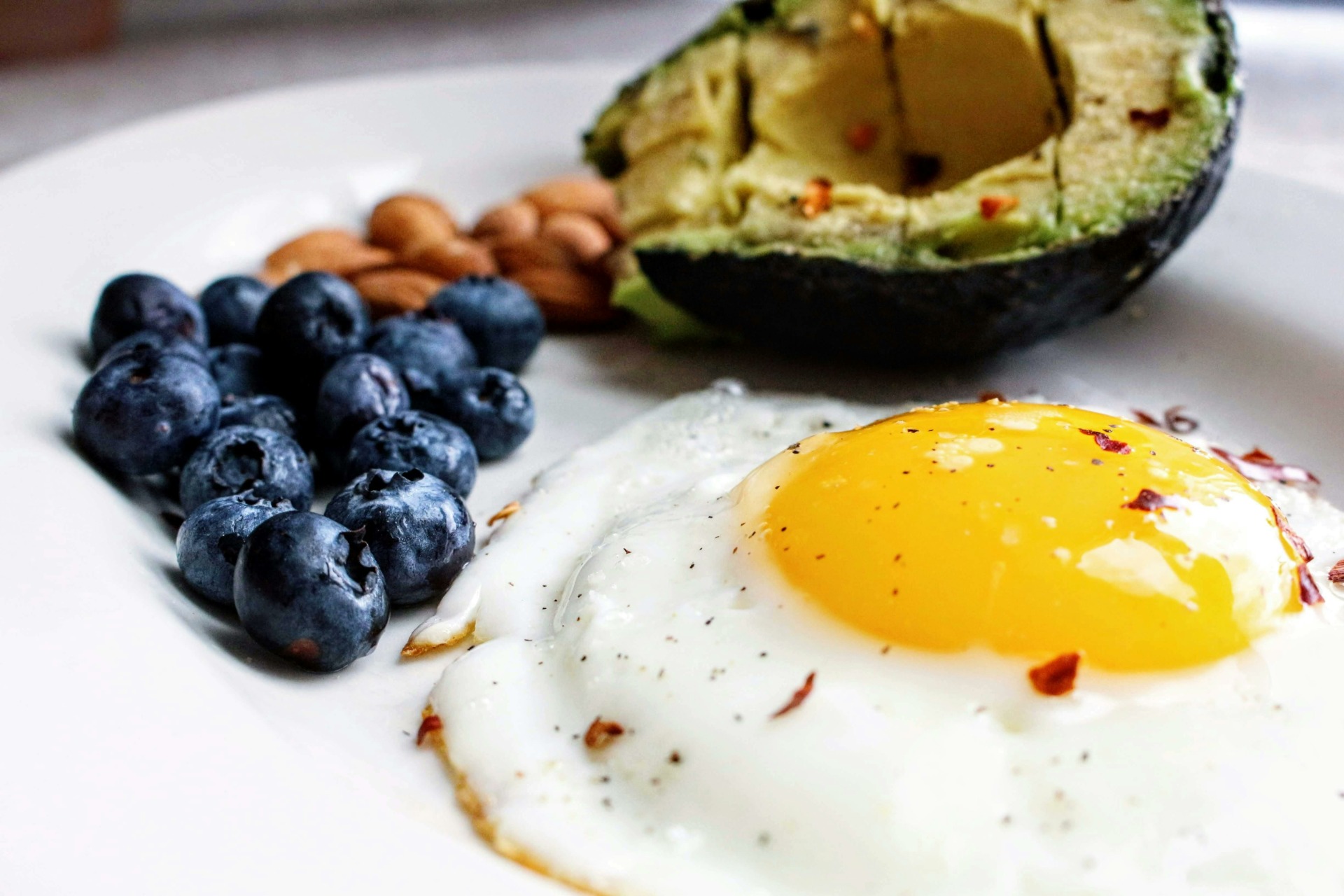
The best foods for blood sugar control on a low-carb diet include leafy greens like spinach and kale, healthy fats such as avocado, olive oil and nuts, and lean proteins like chicken, fish and eggs.
Always consult your GP before making changes – especially if you currently take diabetes medication.
❤️ Heart Health
Many people assume that eating more fat is bad for the heart. In fact, the research tells a more nuanced story. Healthy fats – olive oil, oily fish, avocados, nuts – actively support cardiovascular health.
A well-constructed low-carb diet reduces triglycerides, which are a key risk factor for heart disease. It also raises HDL (good cholesterol) and lowers blood pressure. Furthermore, by cutting out processed foods and refined sugars, it reduces the chronic inflammation that drives so much cardiovascular damage.
The best heart-friendly low-carb foods include salmon, sardines, almonds, walnuts and good quality olive oil.
🧠 Brain Health and Dementia Risk
This benefit genuinely surprised me. When you cut carbs significantly, the body starts producing ketones from fat. Ketones are an efficient fuel source for the brain – in some ways more efficient than glucose.
Research suggests that ketones may improve memory, focus and mental clarity. Moreover, ketogenic and low-carb diets are now being actively studied as potential tools for reducing the risk of Alzheimer’s disease. The evidence is still developing, but the early results are encouraging.
For brain-boosting low-carb foods, focus on eggs (which are rich in choline), berries (low in sugar but high in antioxidants) and dark chocolate with at least 70% cocoa.
💪 Less Inflammation and Joint Pain
Chronic inflammation is behind many of the conditions we associate with aging – arthritis, heart disease and cognitive decline among them. Processed foods, refined grains and sugar all drive inflammation in the body.
By cutting these out, a low-carb diet can noticeably reduce inflammatory markers. In practice, many older adults report less joint pain and better mobility within a few weeks of switching. For me, the difference in morning stiffness was one of the first changes I noticed.
The most powerful anti-inflammatory low-carb foods include turmeric, ginger, oily fish rich in omega-3s, and leafy green vegetables.
⚡ More Consistent Energy
High-carb meals cause blood sugar to spike and then crash. That crash is what causes the mid-afternoon slump that so many of us accept as normal. It isn’t inevitable – it’s dietary.
A low-carb diet provides steady, sustained energy throughout the day. Because blood sugar stays stable, there are no dramatic highs and lows. As a result, energy levels become more consistent and more reliable. This was one of the first changes I noticed – and one of the most motivating.
Good low-carb energy foods include nuts and seeds, lean proteins, and coconut oil or MCT oil for those who want an extra boost.
🚀 How to Start Safely
Switching to a low-carb diet doesn’t have to be dramatic. In fact, a gradual approach works better for most people. Here is how I’d suggest getting started:
- Reduce carbs gradually. Cutting everything at once often leads to fatigue and headaches. Instead, reduce portion sizes of bread, rice and pasta over two to three weeks.
- Replace carbs with healthy fats. Add avocado, olive oil and nuts to your meals. These keep you satisfied and support the transition.
- Drink more water. Low-carb eating causes the body to release water initially. Therefore, staying well hydrated is particularly important in the first few weeks.
- Focus on whole foods. Avoid processed “low-carb” products. They are often highly processed and not as helpful as they appear. Stick to real food.
- Talk to your GP first. This is especially important if you have existing health conditions or take regular medication.
🏁 Is a Low-Carb Diet Right for You?
It won’t suit everyone. However, for a large number of older adults, reducing carbohydrate intake is one of the most effective single changes they can make to their health.
Better energy, steadier weight, improved blood sugar, less inflammation and sharper thinking – these are not small gains. Moreover, none of them require expensive supplements or complicated meal plans. They simply require choosing different foods.
Give it a try for two weeks and see how you feel. In my experience, the results speak for themselves.
Have you tried a low-carb approach? Did it work for you? Drop a comment below – I’d love to hear your experience. 👇
Disclaimer: Always consult your doctor before starting any new diet, particularly if you have existing health conditions or take regular medication.
Photo by Jenna Hamra: https://www.pexels.com/photo/egg-near-blueberries-1305063/