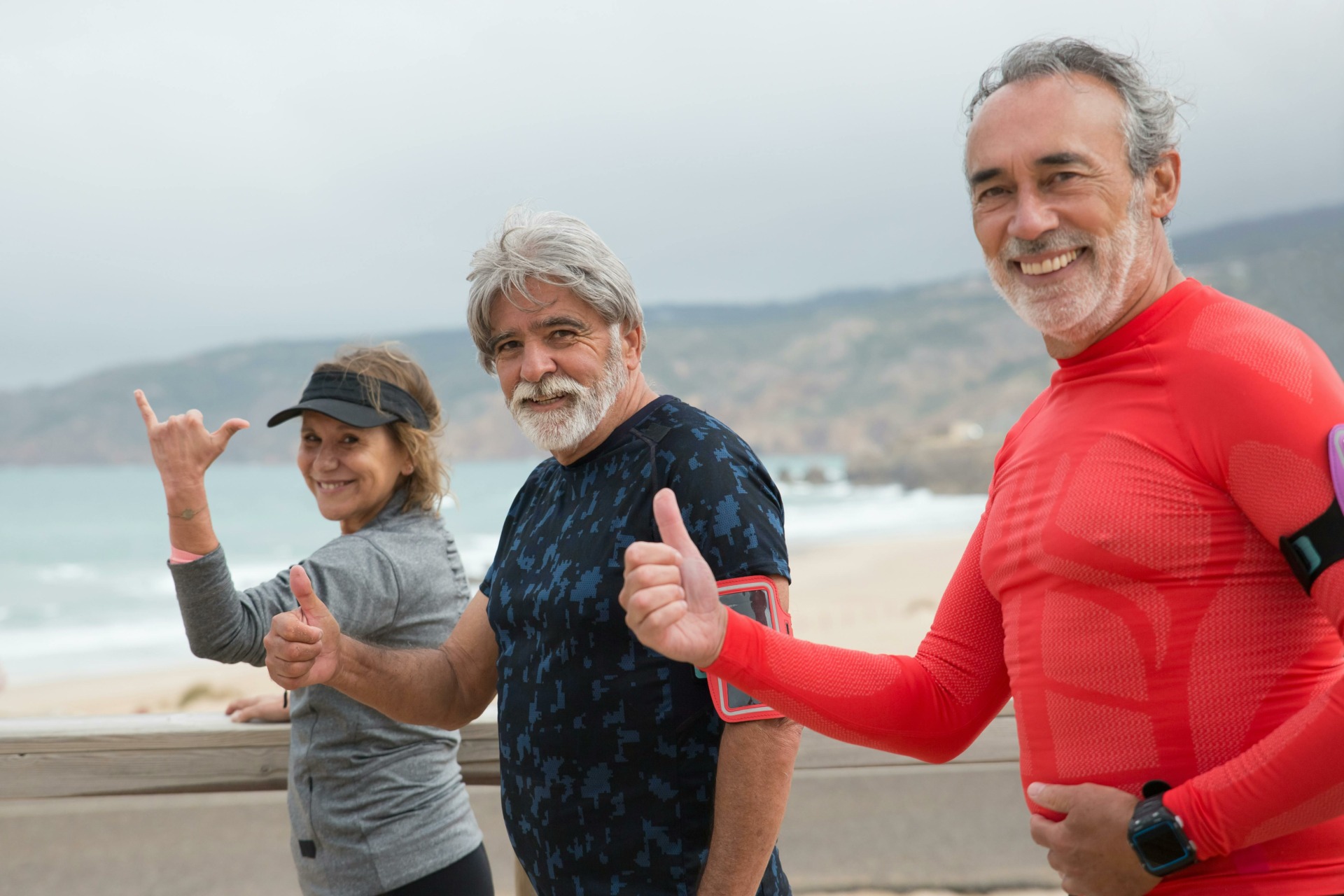

Category: Exercise
-
Flexibility and Balance Exercises After 60
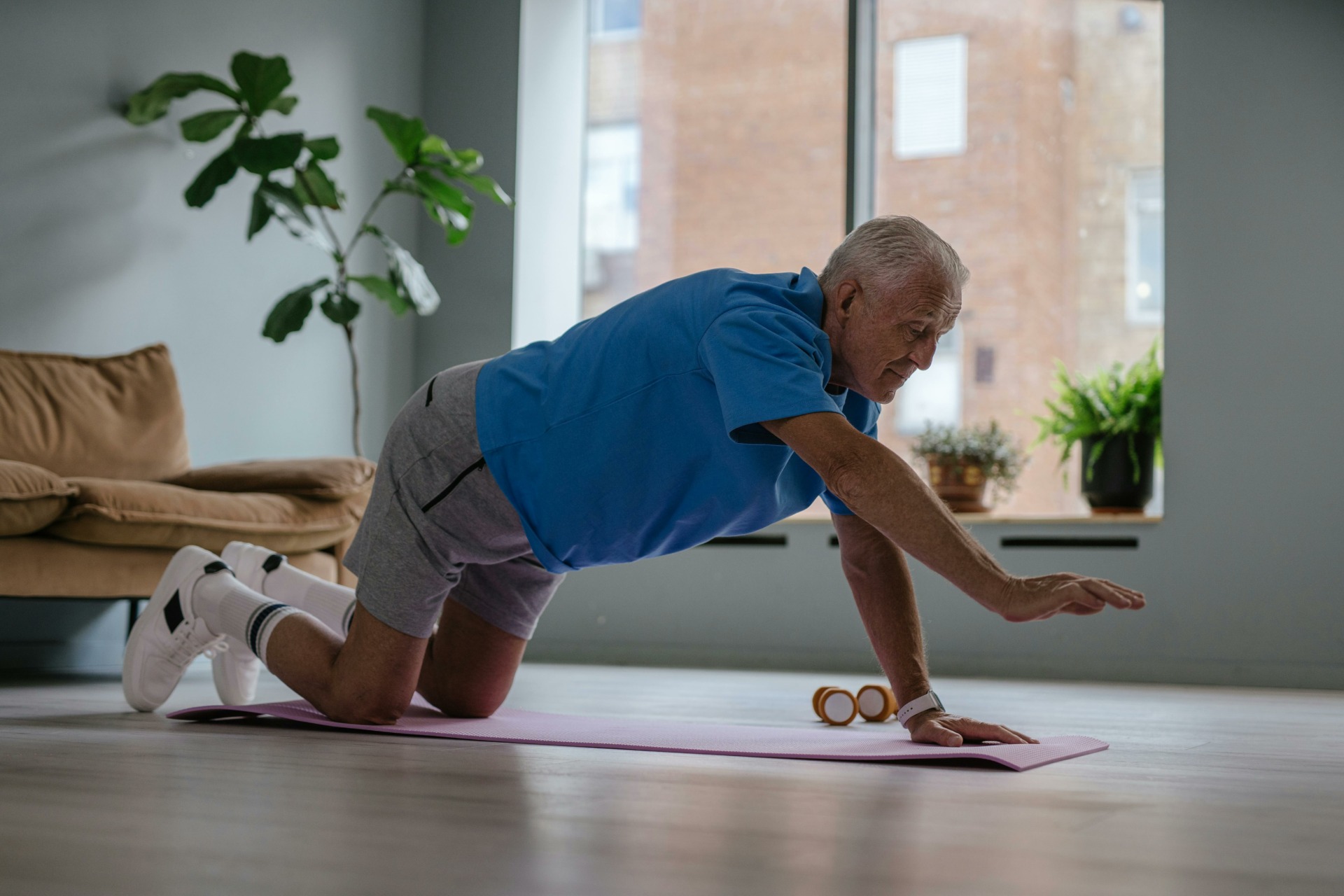
Every year, millions of older adults experience falls, making it one of the leading causes of injury among people over 50. But here’s the good news—many falls are preventable, and one of the most effective ways to reduce your risk is by incorporating flexibility and balance exercises into your routine. Falls don’t just result in…
-
YouTube Fitness Channels Over 50: Top 10 Picks
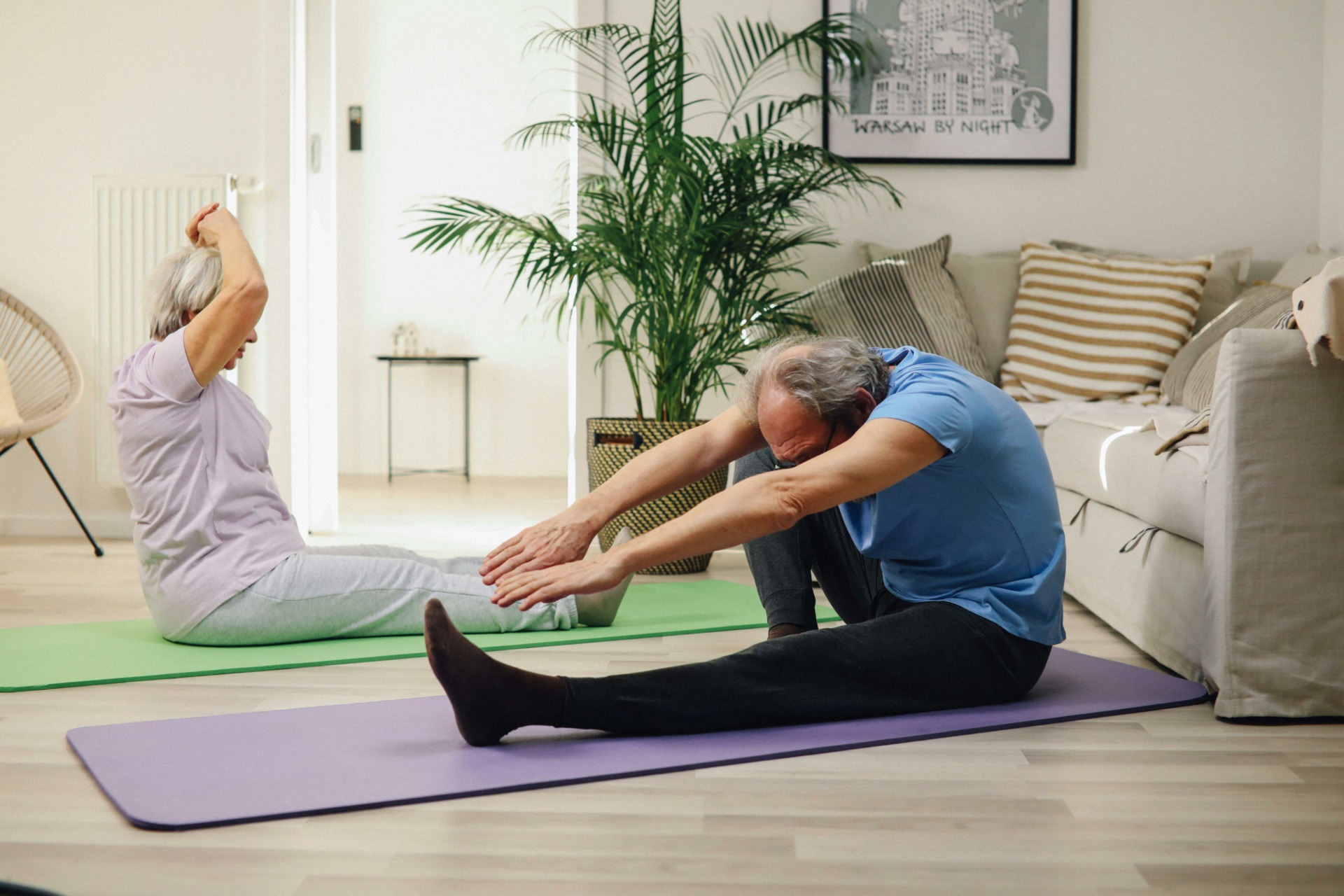
One of the best things about getting fit after 50 is that you don’t need a gym. You don’t need expensive equipment either. All you need is a screen and an internet connection – and YouTube delivers some genuinely excellent fitness content aimed directly at our age group. I’ve spent time exploring what’s out there,…
-
Exercise Motivation After 50: Build Lasting Habits
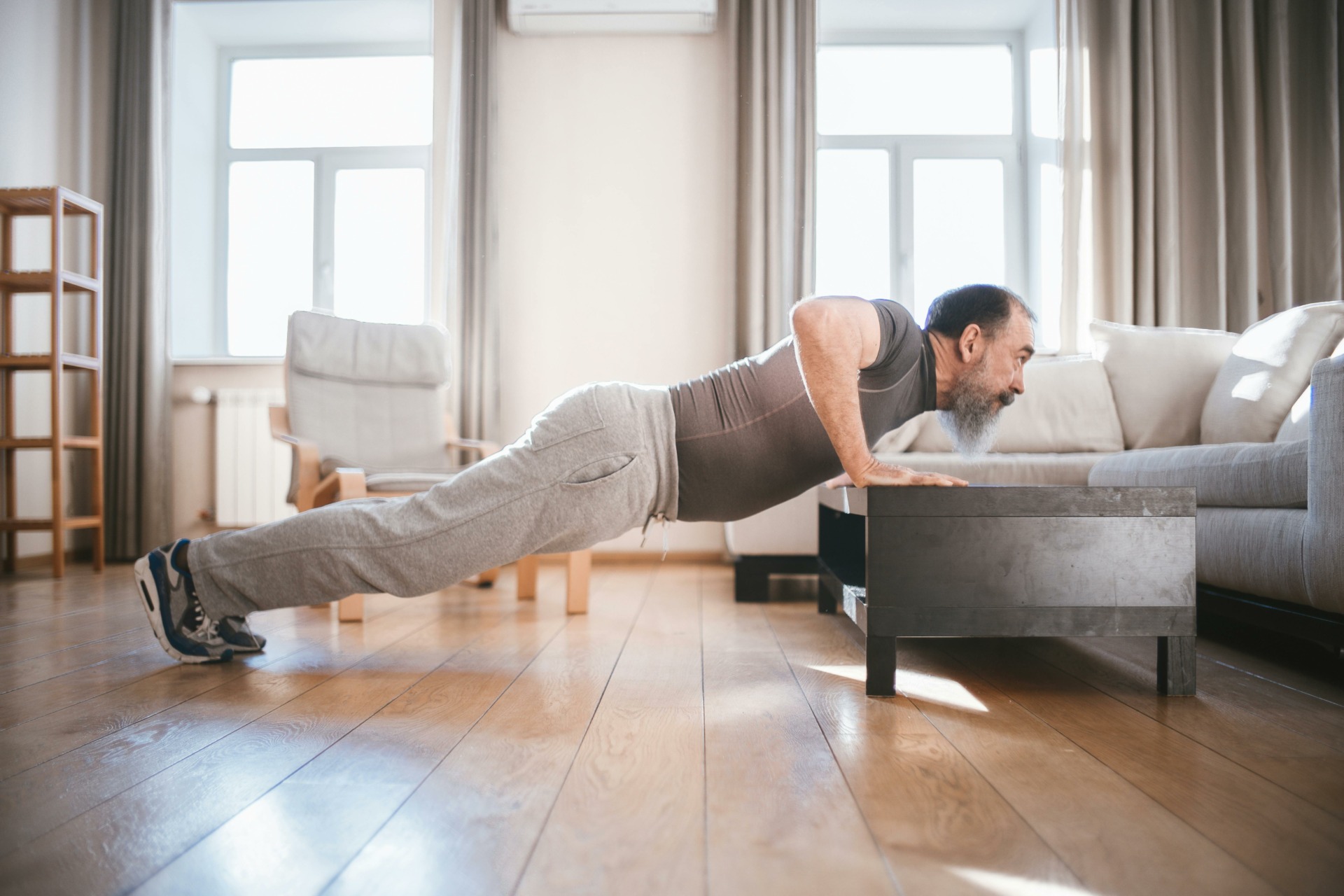
Reaching your 50s is a significant milestone, often bringing new perspectives on health and well-being. While it’s natural to notice changes in energy levels, strength, and flexibility, it’s also the perfect time to double down on habits that support a vibrant, active lifestyle. Regular exercise plays a key role in maintaining physical health, mental clarity,…
-
My Health Journey After 50: From Struggle to Strength

I’ll be honest—writing this and sharing my personal story isn’t easy. I’ve never really been the type to open up like this. But if even one person reading this feels inspired to take the first step towards improving their health, then it’s worth it. This isn’t a “quick fix” success story. It’s about slow progress,…
-
Swimming and Low Impact Exercise for Seniors
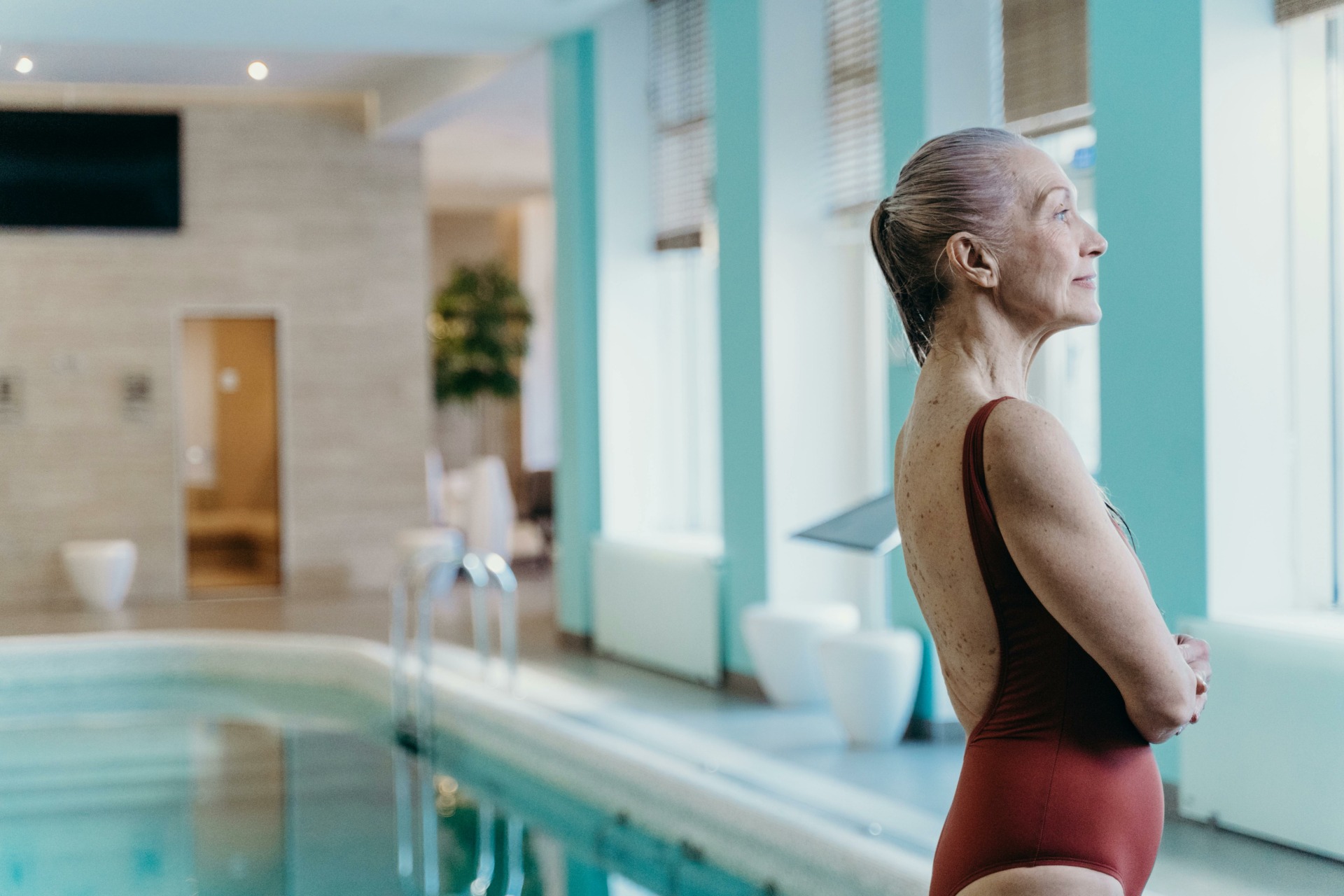
As we age, staying active becomes essential for maintaining strength, flexibility, balance, and overall health. However, high-impact activities like running or intense weightlifting can be harsh on the joints, making them less ideal for older adults. Fortunately, low-impact exercises, especially swimming, offer a gentle yet effective way to stay fit while protecting the body from…
-
The Incredible Benefits of Walking
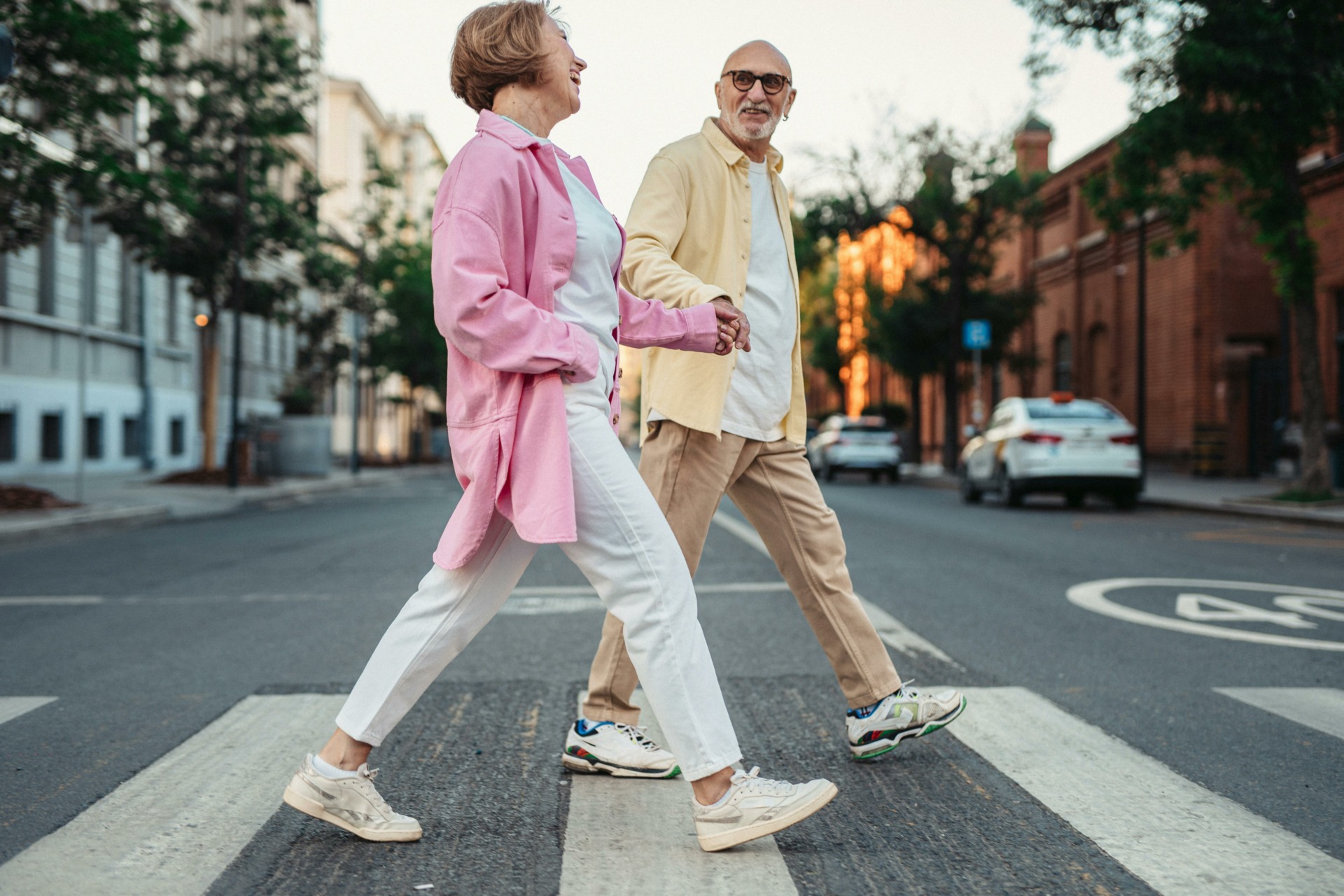
I want to talk about something that changed my life – and it didn’t cost me a penny. No gym membership. No special equipment. No complicated routine. Just a pair of decent shoes and the decision to get outside every day. When the weather turns cold, here is how to keep moving through winter. Walking…
-
Sets and Reps for Older Adults: The Optimal Guide
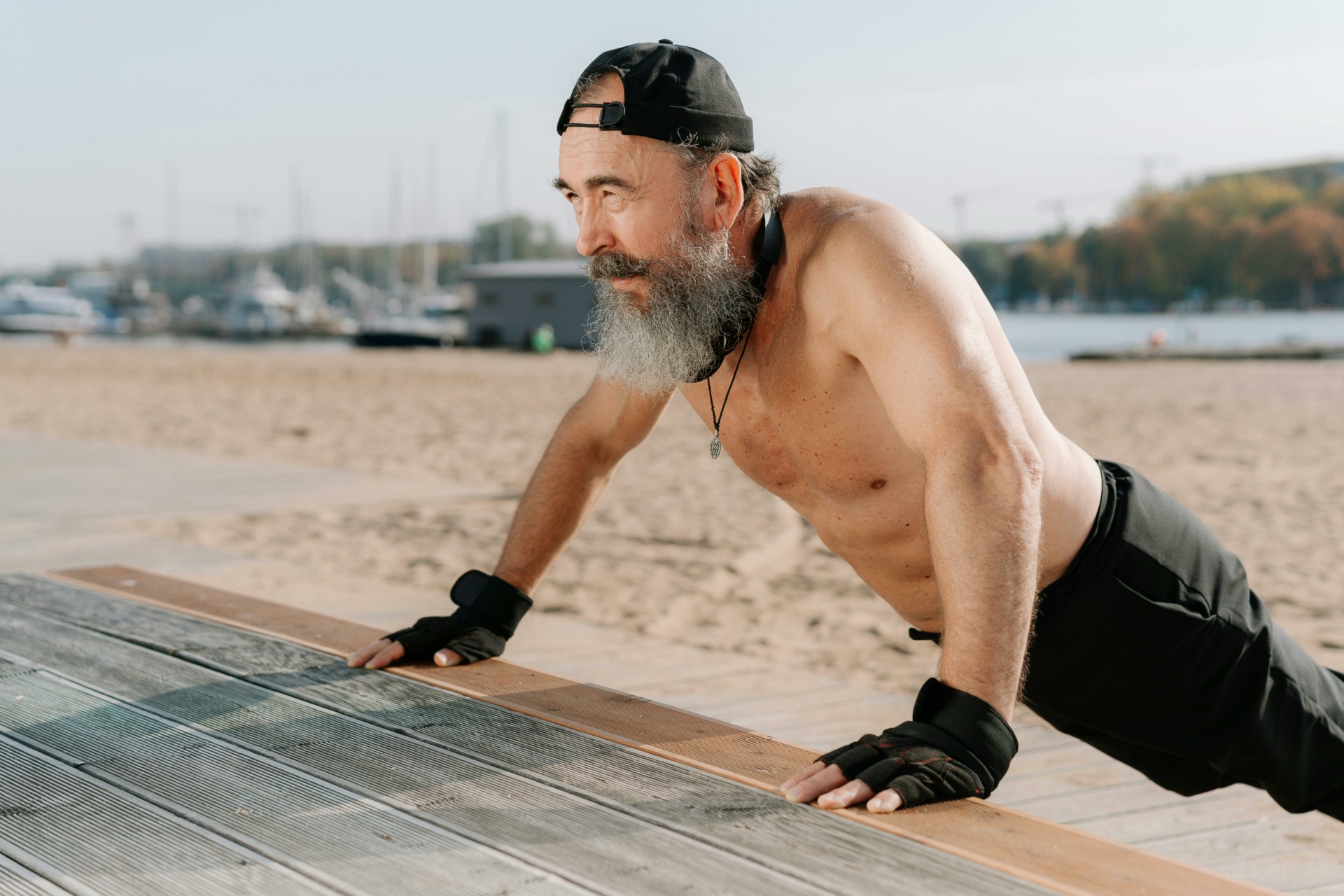
As we age, staying active becomes essential for maintaining muscle strength, mobility, and overall health. Strength training is one of the best ways to preserve muscle mass, prevent injuries, and promote longevity. However, the approach to training should be adjusted to suit the needs of older adults, focusing on safety, effectiveness, and sustainability. One of…