
I’ll be completely straight with you – when I first came across cold water therapy, I thought it was one of those trends invented by people who enjoy suffering. Stand under a freezing shower on a grey British morning? Jump into a lake in November? At 60? With my joints? 😂
But here’s the thing. I kept seeing it come up everywhere – not in fringe wellness circles, but in serious research publications and in conversations with physiotherapists and GPs. So I did what I always do: I went down the rabbit hole, I tried it myself, and now I’m here to tell you what I found.
Cold water therapy after 60 might be one of the most accessible, low-cost health tools we’re overlooking – if we approach it sensibly.
🧊 What Is Cold Water Therapy, Exactly?
Let’s clear up the terminology first, because people use it to mean several different things:
- Cold showers – finishing a normal shower with 30 to 90 seconds of cold water. The entry-level version and where most people start.
- Cold water immersion (CWI) – sitting in a cold bath, plunge tub, or natural body of water for a set period, typically 2 to 10 minutes, at temperatures between 10 and 15 degrees Celsius.
- Wild or open-water swimming – the full British experience, year-round lake or sea swimming that has exploded in popularity over the last few years.
You don’t have to go full ice-lake-in-January to get the benefits. A disciplined cold shower habit can get you most of the way there.
🔬 What the Science Actually Says
This is where it gets interesting. The research on cold water therapy has accelerated dramatically in the last five years, and the results for older adults are particularly compelling.
Inflammation and recovery. Cold water causes blood vessels to constrict, and when you warm up afterwards they dilate again. This “vascular pump” action helps clear metabolic waste from muscles and reduce systemic inflammation. For those of us carrying chronic low-grade inflammation – which is almost all of us over 60 – this is a significant effect. Studies have consistently shown reduced markers of inflammation following regular cold water exposure.
Mood and mental health. This one surprised me most. Cold water activates the sympathetic nervous system and triggers a significant release of noradrenaline – up to 300% more than baseline in some studies. Noradrenaline is a key mood-regulating neurotransmitter. The research on cold water therapy for low mood and anxiety is genuinely promising, and anecdotally, the effect is immediate and unmistakable. That post-cold-shower feeling of alertness and calm is not your imagination. Cold exposure is also one of the classic ways to stimulate the vagus nerve.
Metabolism. Cold exposure activates brown adipose tissue – the metabolically active fat that generates heat. In older adults, brown fat activity naturally declines, but cold exposure appears to reactivate it. This is relevant not just for weight management but for insulin sensitivity and metabolic health generally.
Immune function. A well-known Dutch study found that people who took daily cold showers took significantly fewer sick days than those who didn’t. The mechanism isn’t fully understood, but repeated cold exposure appears to train the immune response, making it more measured and less reactive.
💪 Specific Benefits for Our Age Group
As someone who also does resistance training, I noticed my muscle soreness after hard sessions improved noticeably within a few weeks of adding cold showers. That’s consistent with the sports science – cold immersion after exercise reduces delayed onset muscle soreness and speeds up the recovery cycle.
For joint health specifically, the anti-inflammatory effect is the main driver. I won’t pretend a cold shower cured my knees, but the mornings after cold exposure genuinely feel better than those without.
There’s also interesting emerging research on cold water therapy and cognitive function – specifically improvements in focus, working memory and reaction time in the hours following cold exposure. Given everything we’ve discussed about neurowellness and keeping the brain sharp, this adds another compelling reason to give it a try.
⚠️ The Honest Safety Section – Please Read This
I want to be direct here because this matters more for us than for younger people.
Talk to your GP first if you have any cardiovascular conditions, high blood pressure, Raynaud’s disease, or are on medications that affect circulation or heart rate. Cold water causes a rapid heart rate increase and a spike in blood pressure – that’s normal, but it’s not something to surprise a compromised cardiovascular system with.
Never start with full immersion. Build up slowly. Start with the last 20 to 30 seconds of your shower on cold. Add time over weeks, not days.
Never cold water swim alone, especially in open water. The cold shock response can affect your breathing control in ways that can be dangerous without support nearby.
Listen to your body. Feeling invigorated and a bit buzzy after cold exposure is normal and good. Feeling dizzy, chest pain, or prolonged shivering you can’t control is a signal to stop and seek advice.
🚿 How I Started – My Actual Protocol
I began about eight weeks ago. Week one was humbling – just 20 seconds of cold at the end of my morning shower, and I came out gasping like I’d been startled by a spider. 😅
By week three I was at 60 seconds with a slower, more controlled breathing pattern – long exhale first as the cold hits, then steady nasal breathing. This is the bit most people don’t know: your breathing is the control switch. If you can keep your breath slow and measured, the shock subsides within about 15 seconds.
Now I’m doing 90 seconds of cold to finish every shower, plus one session per week in my garden with a cold water tub – about four minutes at 12 to 13 degrees. After those four minutes I feel, without exaggeration, genuinely great for the rest of the morning. Alert, calm, and with noticeably less stiffness in my lower back and hips.
🌊 The Wild Swimming Option
If you’re near open water – a lake, lido, or even the sea – wild swimming is worth a serious look. The UK wild swimming community is huge, welcoming, and full of people in their 50s, 60s and 70s who swear by it. There is something about being in natural cold water that is qualitatively different from a shower or tub – it does something to the nervous system that feels almost meditative.
The Outdoor Swimming Society at outdoorswimmingsociety.com is a brilliant resource for finding safe locations and groups near you.
🏁 The Bottom Line
Cold water therapy after 60 isn’t extreme, it isn’t a fad, and it doesn’t require a frozen lake or an expensive plunge tub. It starts with the last 30 seconds of your morning shower. The barrier is almost entirely psychological – and from experience, the moment you stop dreading it and start looking forward to that post-cold feeling, you’ll wonder why you waited so long.
It won’t suit everyone, and the safety caveats are real – please do check with your doctor first. But for me, it has become one of the most reliable mood-boosters, inflammation-managers and general “wake-up-and-feel-alive” tools in my weekly routine.
Have you tried cold water therapy, or has this piqued your curiosity? Drop a comment below and let’s talk about it! 👇
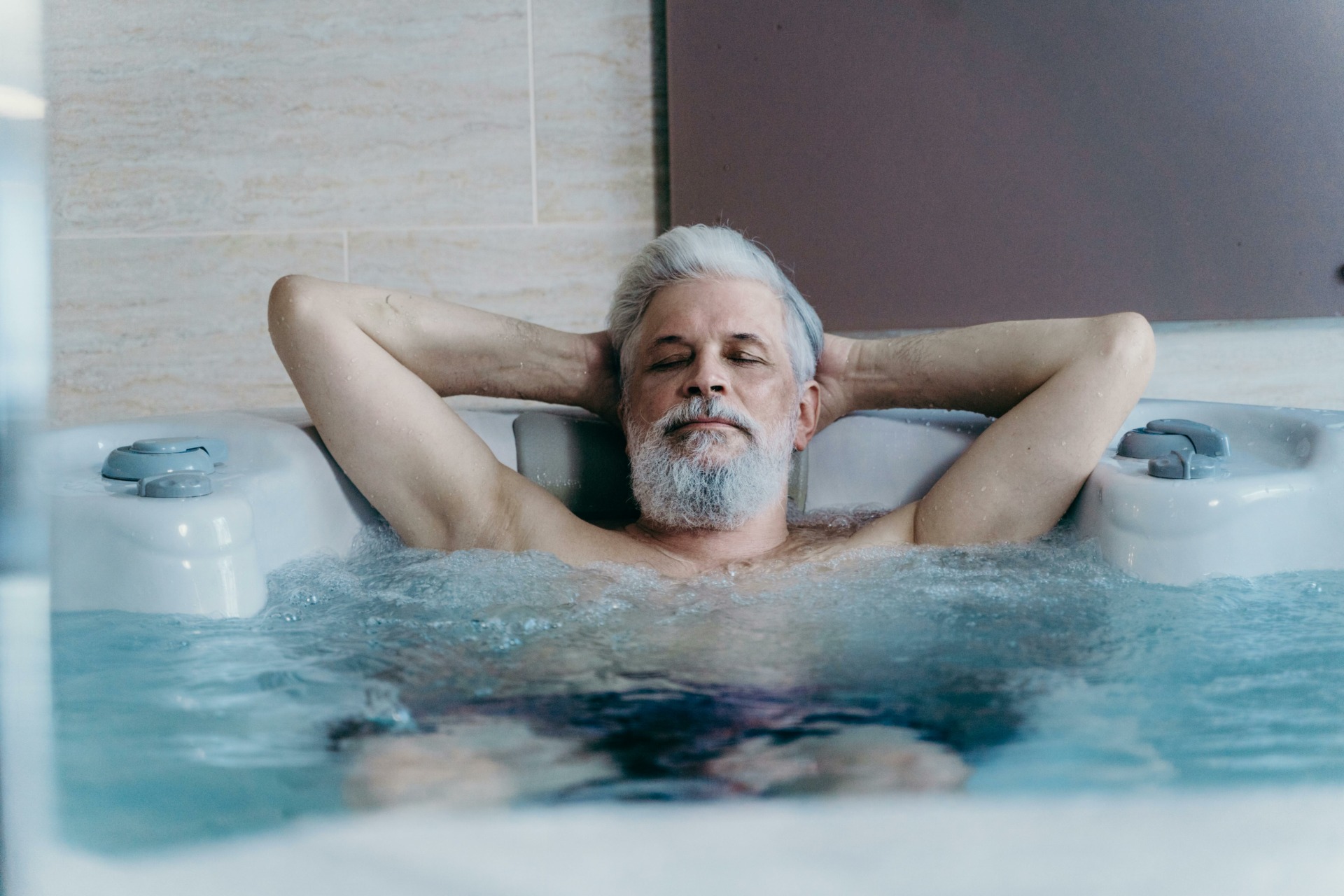
Photo by cottonbro studio: https://www.pexels.com/photo/bearded-elderly-man-in-the-jacuzzi-7224675/