

Most supplements come and go. New ones appear every year, backed by bold claims and thin evidence. However, omega-3 fatty acids have been quietly accumulating some of the strongest research in nutritional science for decades – and the case for taking them seriously after 60 is more compelling than ever.
Heart health, brain function, joint inflammation, eye health, mood – the benefits cover a remarkable range. As a result, omega-3 has become one of the few supplements I take every single day without question.
Here is what the science says – and what I’ve noticed in practice.
🐟 What Are Omega-3 Fatty Acids?
Omega-3s are a type of healthy fat. The body cannot make them on its own, so we have to get them from food or supplements. There are three main types worth knowing about:
- EPA (eicosapentaenoic acid) – primarily anti-inflammatory, supports heart and mood
- DHA (docosahexaenoic acid) – essential for brain and eye health
- ALA (alpha-linolenic acid) – found in plant foods like flaxseed, but less efficiently used by the body
The most useful forms for us are EPA and DHA. These come mainly from oily fish – salmon, mackerel, sardines and anchovies. However, if you don’t eat much fish, a good quality supplement provides a reliable alternative.
❤️ Heart Health – The Evidence Is Strong
Heart disease remains one of the biggest health risks for people over 60. Fortunately, omega-3 has a well-established role in protecting cardiovascular health.
Research shows that EPA and DHA lower triglyceride levels – a key risk factor for heart disease. They also reduce blood pressure modestly, improve the flexibility of blood vessel walls and help regulate heart rhythm. In fact, high-dose omega-3 supplements are now prescribed by some doctors specifically for people with elevated triglycerides.
Moreover, omega-3s reduce systemic inflammation, which is increasingly understood to be a root driver of cardiovascular disease. Therefore, getting enough of them is not just useful – it is genuinely important for long-term heart health.
🧠 Brain Health and Cognitive Protection
DHA is the main structural fat in the brain. In other words, your brain is literally built from it. As we age, DHA levels in the brain tend to decline. As a result, maintaining adequate intake becomes increasingly important for preserving memory and mental sharpness.
Several large studies have linked higher omega-3 intake to slower cognitive decline in older adults. Furthermore, research suggests that people with higher DHA levels have lower rates of Alzheimer’s disease. The evidence is not yet conclusive enough for omega-3 to be called a prevention tool, but the direction of the research is consistently encouraging.
For me personally, mental clarity is one of the things I notice most when I’m consistent with my omega-3 intake. The science gives me good reason to keep taking it.
💪 Joint Pain and Inflammation
This was the first benefit I noticed in practice. After adding omega-3 to my routine, the morning stiffness in my knees reduced noticeably within about six weeks. That matches what the research suggests. It works best alongside movement – here is how to keep your joints healthy after 60.
EPA in particular is a powerful anti-inflammatory. It reduces the production of prostaglandins – the chemical signals that drive joint inflammation and pain. Consequently, omega-3 is well supported as a complementary approach for people dealing with arthritis or general joint discomfort.
It won’t replace medical treatment for serious conditions. However, for day-to-day inflammation management, it is one of the most evidence-backed options available without a prescription.
👁️ Eye Health
This one surprises people. DHA is also a major structural component of the retina. Therefore, adequate omega-3 intake plays a direct role in maintaining eye health as we age.
Research links higher omega-3 consumption to a lower risk of age-related macular degeneration – one of the leading causes of vision loss in older adults. Furthermore, omega-3 helps with dry eye syndrome, which becomes increasingly common after 60. If you spend a lot of time looking at screens, this benefit is particularly relevant.
😌 Mood and Mental Wellbeing
The connection between omega-3 and mood is an area of growing research interest. EPA in particular appears to have a meaningful effect on reducing symptoms of depression and anxiety. Several clinical trials have shown significant improvements in mood with EPA supplementation.
This makes biological sense. The brain relies heavily on omega-3 for healthy cell membrane function. Consequently, when omega-3 levels are low, brain chemistry can become less stable. In addition, the anti-inflammatory effect of EPA may directly reduce neuroinflammation, which is increasingly linked to low mood.
💊 How to Get Enough Omega-3
There are two main routes – food and supplements.
Food first. If you enjoy oily fish, aim for two to three portions per week. Salmon, mackerel, sardines, herring and anchovies are all excellent sources. Walnuts, flaxseed and chia seeds provide ALA, which the body partially converts to EPA and DHA – though not very efficiently.
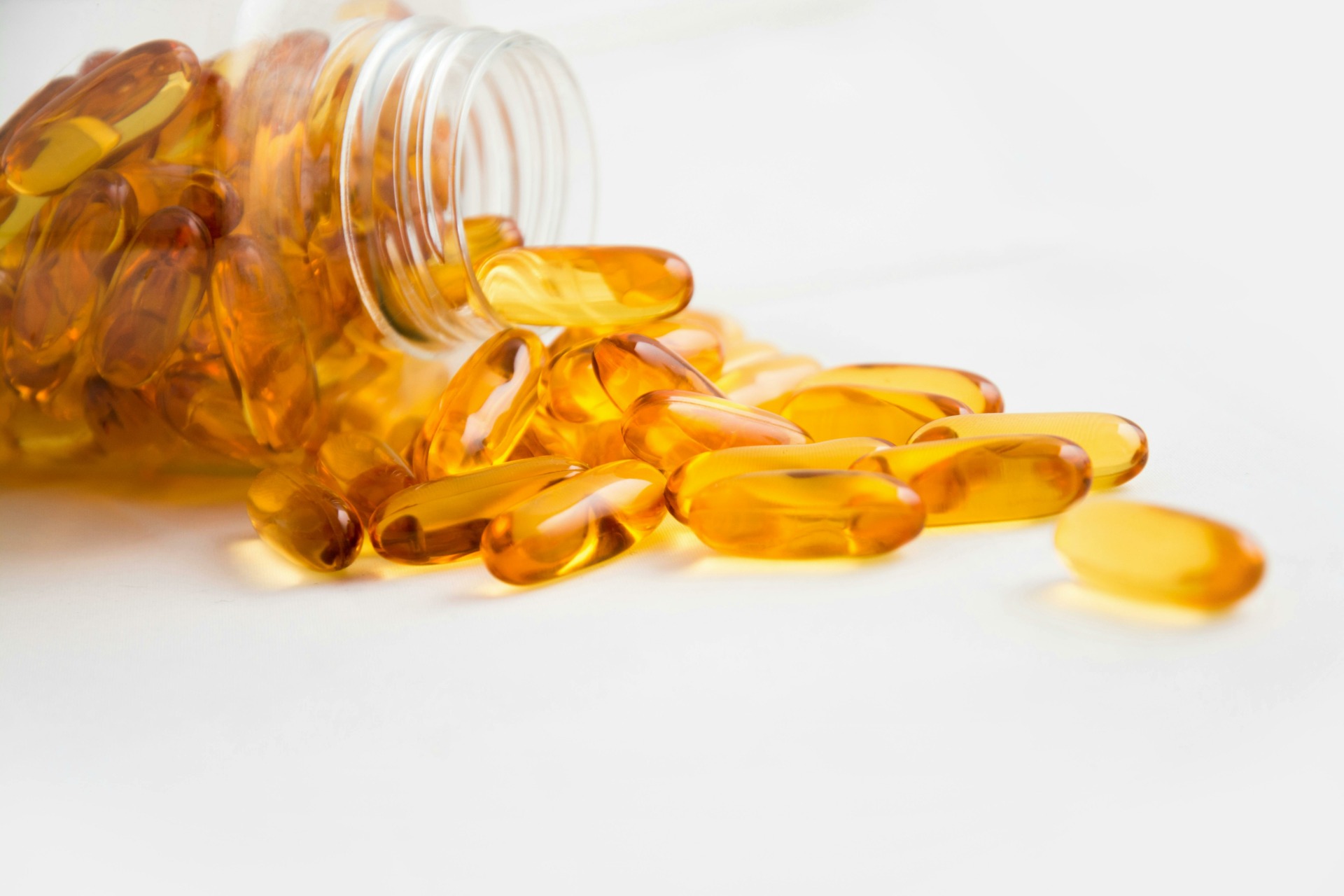
Supplements. If fish is not a regular part of your diet, a good quality fish oil or algae-based omega-3 supplement is a practical solution. Algae-based options are worth knowing about – they provide DHA and EPA directly, making them ideal for those who prefer to avoid fish products entirely. It earns its place among the best supplements for healthy aging.
In terms of dose, most research uses between 1g and 3g of combined EPA and DHA per day. However, always check with your GP before starting, particularly if you take blood thinners, as omega-3 can have a mild blood-thinning effect.
🏁 The Bottom Line
Omega-3 after 60 is not a miracle cure. However, it is one of the most consistently supported supplements in the research – for heart health, brain function, joint comfort, eye health and mood. Moreover, it is widely available, affordable and well tolerated by most people. If you are reviewing your supplements, magnesium after 60 is another with unusually strong evidence.
A fish oil capsule every morning with breakfast takes about three seconds. In return, you get one of the most studied and evidence-backed nutritional supports available to us at this stage of life. That seems like a very fair trade.
Are you already taking omega-3, or is this something you’ve been considering? Drop a comment below – I’d genuinely love to hear your experience. 👇
Photo by Pixabay: https://www.pexels.com/photo/spilled-bottle-of-yellow-capsule-pills-208518/