

Sleeping in a Heatwave After 60 – What Actually Helps
Three in the morning. The sheet is damp. The fan is pointed straight at me. The window is open but the air coming through feels like a hairdryer. Sound familiar?
Sleeping in a heatwave after 60 is a different beast to what it was in our thirties. Back then, a hot night was a mild inconvenience. These days, it can mean three or four broken hours of sleep – and the next day feels like wading through wet concrete. There’s a real physiological reason for that, and it’s worth understanding before the next heatwave hits.
So let me share what I’ve discovered – some of it obvious, some of it genuinely surprising.
🌡️ Why Heat Hits Harder at Our Age
The body cools itself through sweating and by pushing warm blood to the skin’s surface. Both of those systems become less efficient after 60. Sweat glands become less responsive. Blood vessels don’t dilate as readily. The thirst mechanism also dulls, which means we’re often mildly dehydrated before we even feel thirsty – and dehydration makes temperature regulation significantly worse.
There’s another factor that’s less talked about. Core body temperature naturally dips in the evening as part of the sleep-wake cycle. That drop signals the brain to release melatonin and prepare for sleep. However, when the ambient temperature is too high, that cooling process is disrupted. The body struggles to shed heat fast enough, the temperature drop is delayed or incomplete, and sleep either takes longer to arrive or is far shallower than it should be.
For those of us over 60, that disruption is amplified. We already spend less time in deep sleep than younger people. Add a heatwave on top, and the result is exhausting – sometimes literally.
🛏️ The Bedroom Environment – Getting the Basics Right
The goal is to make your bedroom as cool as possible before you get into it – not after. Heat builds up in rooms throughout the day, so passive management is key.
- Close curtains and blinds during the day. Even thin curtains reduce solar heat gain significantly. South- and west-facing rooms collect the most heat in the afternoon, so prioritise those.
- Open windows strategically. On very hot days, outdoor air may be warmer than indoor air until well after sunset. Wait until the outside temperature drops below your room temperature before opening up. In the UK, that’s often not until 9 or 10pm during a heatwave.
- Cross-ventilate if possible. Open a window on one side of the house and a door or window on the opposite side. This creates airflow rather than just a single open vent.
- Move your fan wisely. A fan doesn’t cool the air – it cools your skin by evaporating moisture. Position it to blow across you rather than simply circulate warm air around the room. Placing a bowl of ice in front of it is a trick that genuinely works for a short burst of cooler air.
Also worth noting: if you share a bed, body heat from a partner adds meaningfully to the ambient temperature of the room. Separate duvets or sleeping arrangements on extreme nights aren’t a relationship statement – they’re just common sense.
💧 What to Drink – and What to Avoid
Hydration before bed is a balancing act at our age. Too little and temperature regulation suffers. Too much and you’re up three times in the night.
A small glass of water an hour or so before bed is a reasonable approach. Cooler water has a mild internal cooling effect – it doesn’t need to be ice cold, but slightly chilled is helpful. Avoid very cold drinks immediately before sleep, as the sudden temperature change can feel unsettling.
What to steer clear of in the evening during a heatwave:
- Alcohol. It widens blood vessels and initially makes you feel cooler, but it disrupts sleep architecture and causes dehydration through the night. A red wine before bed on a hot night is one of the most reliable ways to guarantee a 4am awakening.
- Caffeine after midday. This applies year-round, but in summer it matters more. Caffeine raises core temperature slightly and reduces the depth of sleep.
- Heavy meals in the evening. Digestion generates significant body heat. A lighter dinner finished a couple of hours before bed keeps internal heat production lower while you’re trying to sleep.
🧴 Cooling the Body Directly
Sometimes the room is as cool as you can get it, and you still feel too warm. These approaches work directly on body temperature rather than the environment.
A lukewarm shower before bed is one of the most effective tools available. The instinct is to go cold, but lukewarm is actually better. Cool water causes blood vessels at the skin to constrict, which temporarily retains core heat. Lukewarm water keeps vessels open and allows heat to dissipate more naturally as the water evaporates from your skin.
Cooling pulse points is an old trick with real physiology behind it. Running cold water over the wrists, inner elbows, neck and ankles cools the blood passing close to the surface – and that cooled blood circulates throughout the body. A cool damp flannel on the back of the neck while you read before bed is worth more than most people realise. A cool foot bath works on the same principle, and there is more on looking after tired summer feet in our guide to summer foot care.
Lightweight, natural fabrics for both bedding and sleepwear make a genuine difference. Cotton and linen breathe far better than synthetics. If you’ve been sleeping in the same bedding through winter and spring, a lighter cotton or linen sheet on its own – rather than a full duvet – is an easy and inexpensive switch.
😴 Sleeping in a Heatwave After 60 – Protecting Your Health
Poor sleep during a heatwave isn’t just uncomfortable – it has real consequences. Sleep deprivation reduces immune function, raises blood pressure, impairs glucose regulation and affects mood. For older adults, chronic poor sleep also accelerates cognitive decline over time.
This is why it’s worth taking seriously rather than just enduring. A few nights of badly disrupted sleep during a prolonged heatwave can leave the body in a stressed state that takes longer than you’d expect to recover from.
If you take medications that affect temperature regulation – including certain blood pressure drugs, antidepressants, antipsychotics and antihistamines – speak to your pharmacist or GP during hot weather. Some of these can impair the body’s ability to thermoregulate, which makes the situation meaningfully more dangerous.
Also, check in on anyone in your circle who lives alone, especially older neighbours or relatives who may be quietly struggling. Heat-related illness in older adults can develop gradually and without obvious warning signs.
☀️ A Note on the Following Day
Even with all the precautions in place, a heatwave takes it out of you. On broken-sleep days, be realistic about energy levels and protect them. Avoid exercise in the heat of the day – early morning or evening only. Keep meals light and cooling: salads, fruit, cold soups. Rest without guilt if you need to. For the daytime side of staying safe, our hot weather tips for older adults cover what else helps.
Recovery from a poor night’s sleep in heat happens best when you don’t fight it. The body is working hard just to maintain normal function in extreme temperatures. Give it the space to do that.
The heatwaves we’re getting now are longer and more intense than they used to be. So it’s worth having a proper plan rather than improvising at midnight with a lukewarm flannel and a prayer.
What works for you when the temperature spikes overnight? I’d love to hear your go-to tricks – drop them in the comments below. 👇
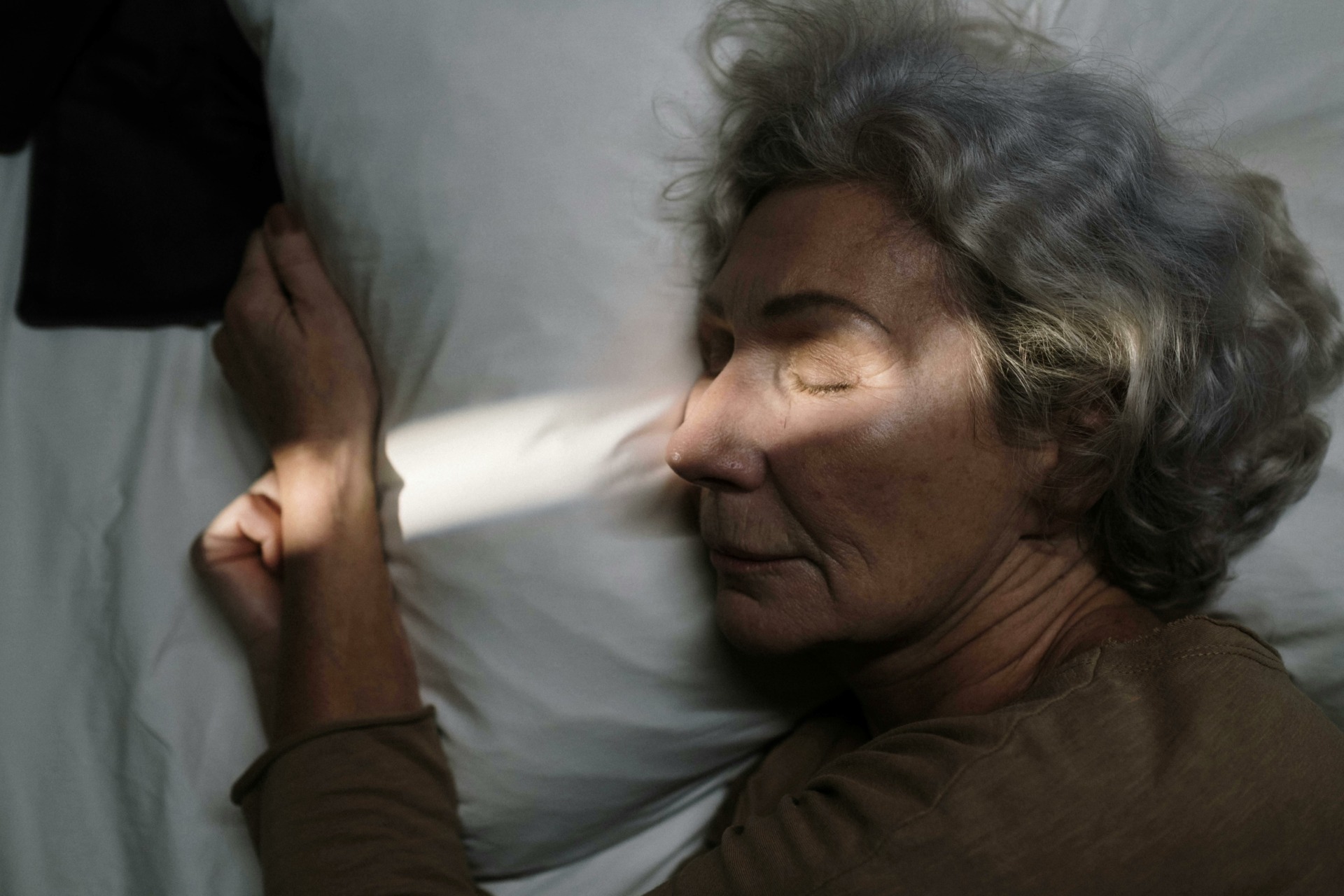
Photo by Ron Lach : https://www.pexels.com/photo/an-elderly-woman-sleeping-8527648/