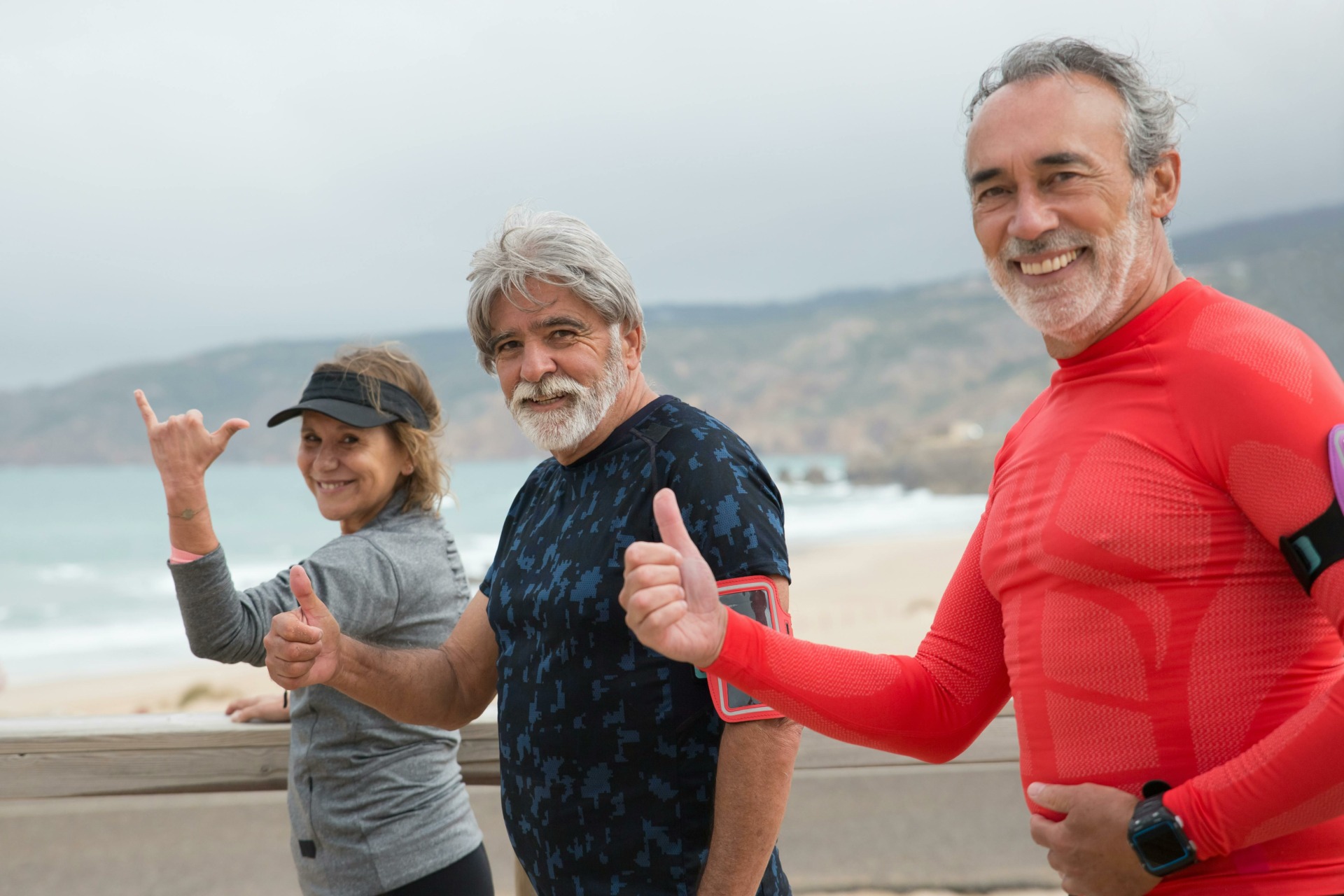

Most Saturdays, you’ll find me somewhere along a footpath with a flask in my rucksack. These days, my weekend walks cover anywhere from 10 to 15 kilometres. Not long ago, that distance would have sounded mad to me. Recently, though, I went even further and walked a half marathon through London at night.
That night walk got me thinking about how much long distance walking after 60 has given me. It’s cheap, it’s gentle on the body, and it clears my head like nothing else. Better still, you don’t need to be an athlete to do it.
So in this post, I’ll share my night walk story, how I built up my distance, and what I’ve learned along the way.
🌙 Half a Marathon Under the Streetlights
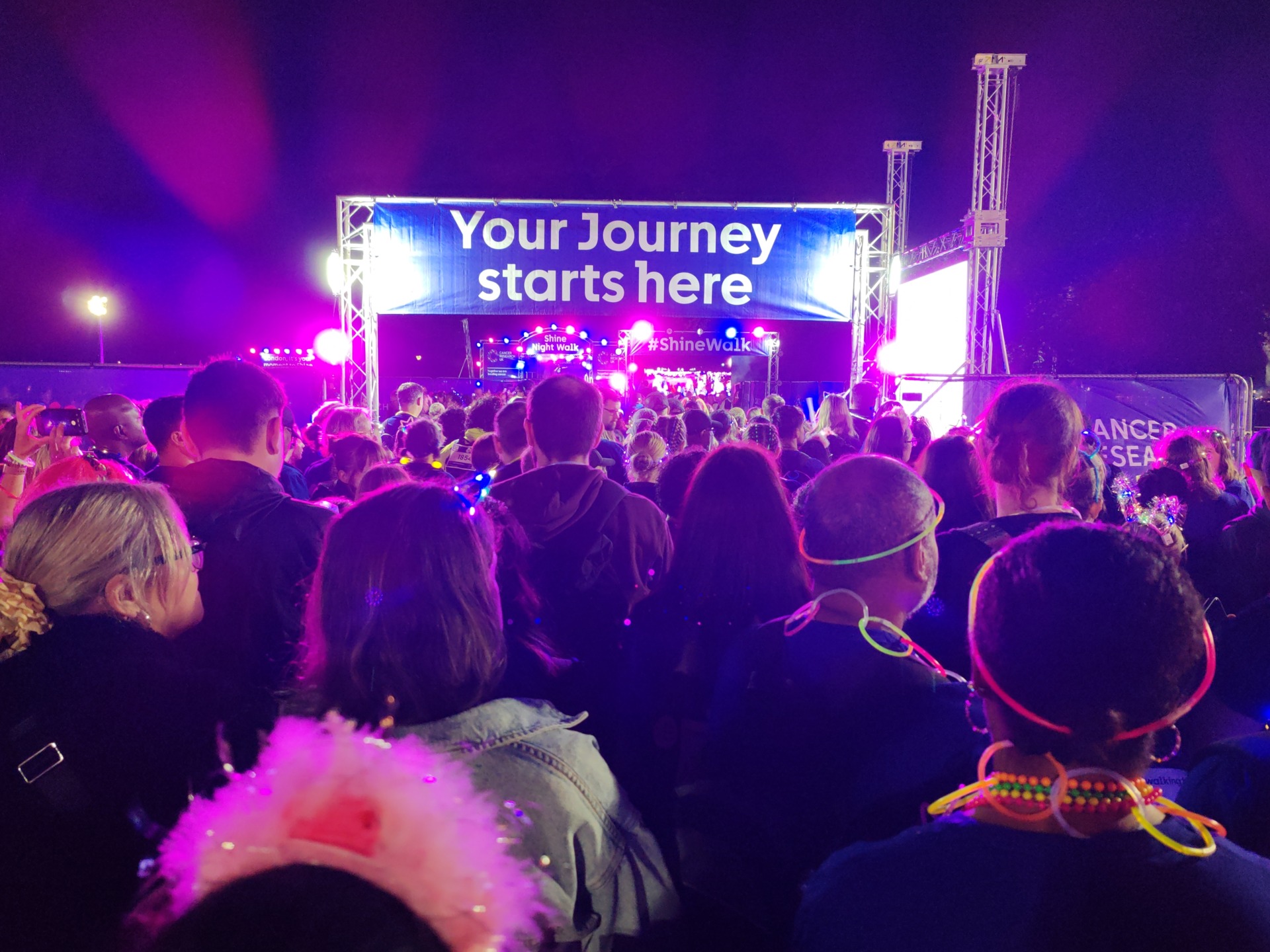
The walk was Shine Night Walk London, a night-time charity event raising money for Cancer Research UK. Thousands of us set off after dark to cover just over 21 kilometres through the capital. Honestly, I felt a few nerves at the start line. Walking that far is one thing, but doing it when you’d normally be heading to bed is quite another.
Once we got going, however, the atmosphere carried me along. London looks completely different at night. Familiar streets felt calm and almost magical, and the buildings glowed against the dark sky. Strangers chatted as they walked, and volunteers cheered us through every stretch.
By the final few kilometres, my legs were tired and my feet were complaining. Even so, crossing the finish line felt like one of the proudest moments I’ve had in years. Better yet, every step helped raise money for a cause that matters to so many families.
🥾 Why Long Distance Walking After 60 Suits Me
I’ve written before about the benefits of walking, and everything in that post still holds true. Going further, however, brings a few extra rewards:
- Steady endurance: A few hours on your feet builds stamina without the jarring impact of running.
- Stronger legs and hips: Hills, stiles and uneven paths work muscles that pavements never reach.
- A calmer mind: After an hour or two, my thoughts settle into the rhythm of my steps.
- Better sleep: On walking days, I’m usually out like a light by ten o’clock.
- Time outdoors: Fresh air and green space do wonders for mood, as I explored in my post on nature and healthy ageing.
Even after my running comeback, walking remains the exercise I look forward to most. It asks so little and gives back so much.
📈 How I Built Up to 15km
Nobody wakes up one day and walks a half marathon. Certainly not me. When I started, a brisk 5 kilometres left my calves aching for two days. Gradually, I added distance week by week, and my body adapted far quicker than I expected.
Here’s the approach that worked for me:
- Start with what feels comfortable. For most people, that’s 3 to 5 kilometres.
- Add about a kilometre each week. Small jumps give your joints and feet time to catch up.
- Walk one longer route every weekend. Keep weekday walks shorter and easier.
- Take a lighter week every month or so. Drop back in distance and let your body recover.
- Practise before an event. I did several 15km walks before tackling the full 21km.
Patience matters more than speed here. Your heart and lungs improve quickly, but tendons and joints need longer, which is why I keep a close eye on my joint health.
🎒 What I Carry on a Long Walk
Packing well makes long walks far more enjoyable. My rucksack usually holds:
- A full water bottle, plus an extra one on warm days
- Snacks such as nuts, cheese and a boiled egg or two
- A light waterproof, because British weather never keeps its promises
- Blister plasters and a spare pair of socks
- My phone, fully charged, with the route saved offline
- A head torch for night walks or late finishes
On longer days, I make sure to eat a proper meal afterwards. A good helping of protein helps my muscles recover in time for the following weekend.
⚠️ Looking After Your Body on Long Walks
Long distances bring a few challenges, especially at our age. Thankfully, most are easy to prevent:
- Choose proper footwear. Well-fitted walking shoes or boots with good cushioning make a huge difference.
- Break in new shoes first. Never take a fresh pair on a long walk.
- Tackle hot spots early. At the first sign of rubbing, stop and add a plaster.
- Sip water regularly. Don’t wait until you feel thirsty.
- Stretch gently afterwards. Calves, hamstrings and hips appreciate the attention.
If you have heart problems, diabetes or joint issues, check with your GP before you increase your distance. Likewise, stop and rest if you feel dizzy, breathless or unwell.
💛 Why I’d Recommend a Charity Walk
Signing up for an event gave my training a clear goal. Knowing I’d committed, I still walked on days when the sofa looked far more tempting. Meanwhile, raising money for Cancer Research UK added extra meaning to every kilometre.
Charity walks come in all shapes and sizes, from gentle 5km strolls to full marathons. Many big charities run them across the UK each year, so there’s likely one near you. If a night walk appeals, take a look at Shine Night Walk for next year. Besides, walking alongside thousands of others is a wonderful way to feel part of something bigger.
🌟 One Step at a Time
Looking back, I never imagined walking through London in the middle of the night at my age. Yet here I am, already eyeing up my next challenge. If a man of 60 can go from aching calves to a night half marathon, so can you.
Start small this weekend. Pick a local route, pack a flask and see where your feet take you.
Have you ever taken part in a charity walk, or do you have a favourite weekend route? Tell me about it in the comments below.
Leave a Reply