
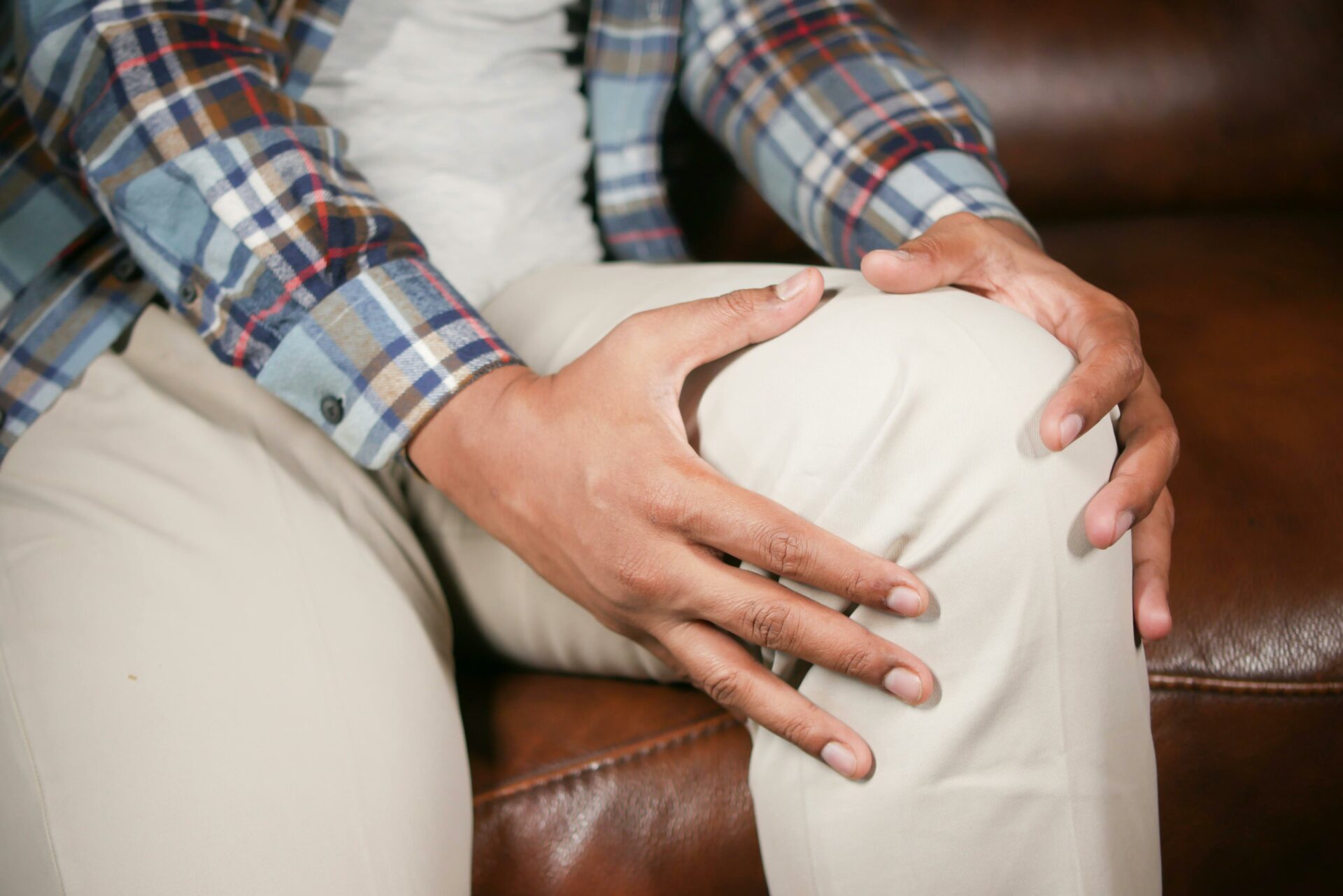
I remember the exact moment I realized things were changing. I was reaching for a heavy metal billet on the bottom shelf at work, and my knees made a sound like a dry branch snapping in the woods. It wasn’t just the noise; it was that sudden, sharp “not today” from my joints.
For a lot of us, that’s the moment we start thinking about “slowing down.” We assume our joints have a mileage limit, like an old set of tires, and that every movement is just wearing them down further.
But here’s the secret: your joints aren’t expiring. They’re adapting. And if we want them to stay fluid and pain-free, we don’t need to stop moving – we just need to move smart.
Here is how we can keep the “hinges” oiled without the high-impact wear and tear.
🚲 1. The Power of “Low-Impact” doesn’t mean “Low-Effort”
People hear “low-impact” and they think of slow-motion water aerobics. But low-impact is actually about force management. It’s about getting the heart rate up and the muscles firing without the jarring “thud” of your weight hitting the pavement.
- Cycling (The Stationary Kind): I’m a big fan of the recumbent bike. It takes the weight off your hips and lower back while letting your knees move through their full range of motion. It’s like WD-40 for your legs.
- The Pro Tip: Don’t just pedal aimlessly. Try “intervals” – 30 seconds of pushing hard, followed by a minute of easy spinning. Your heart will thank you as much as your knees.
🏊 2. Swimming: The Great Reset
There is nothing quite like the feeling of gravity leaving the room. When you’re in the water, you’re 90% lighter. This allows your joints to open up in ways they simply can’t on land.
- Why it works: Water provides “viscous resistance.” Every time you move your arm, the water pushes back equally. It’s a full-body weight room that you can’t accidentally drop a dumbbell in.
- Try this: You don’t have to do Olympic laps. Just “water walking” with high knees is one of the best ways to build hip stability without any impact at all.
🧘 3. Isometric Holds (The Secret Weapon)
This is something I wish I’d known in my 40s. Isometrics are exercises where you tension the muscle without moving the joint. Think of a “plank” or holding a shallow squat against a wall.
- The Logic: If your knees hurt when you move, stop moving them – but keep the muscles around them working. By holding a position, you’re strengthening the tendons and muscles that protect the joint, making it more stable for when you do have to walk or climb stairs. That same strengthening work is exactly what builds bone density after 60, too.
🌊 4. Flow and Mobility
I talk a lot about tools like “Rope Flow” and Tai Chi because they focus on circularity. Most of our daily pain comes from moving in straight, rigid lines – sitting down, standing up, walking forward.
Real life happens in 3D. By practicing gentle, flowing movements, you’re teaching your joints to handle “off-axis” movements. It’s the difference between a rusty gate and a well-oiled hinge.
The Takeaway
Growing older isn’t a “wearing out” process; it’s a “tuning” process.
If you’re feeling stiff today, don’t take it as a sign to sit on the couch. Take it as a signal that your joints are thirsty for movement. Pick one low-impact activity this week – even if it’s just a 10-minute swim or some wall-sits while the coffee brews. And to calm the inflammation underneath, a daily omega-3 for joint comfort works quietly in the background.
Life should be spent exploring, not nursing old injuries. Let’s keep moving.
What’s your go-to move when you’re feeling a bit stiff? Drop a comment below – I’d love to hear what’s working for you.
Photo by Towfiqu barbhuiya: https://www.pexels.com/photo/person-feeling-pain-in-the-knee-11349880/