
A stubborn jar of pickled onions beat me last month. I twisted, tapped the lid on the worktop, and finally ran it under the hot tap. Even then, it took a tea towel and a fair bit of muttering. Small moment, but it bothered me.
For a while now, I’ve been lifting weights, yet my hands clearly hadn’t kept up. So I started reading about grip strength after 60, and what I found made me take it far more seriously. In short, your grip says a lot about how your whole body is ageing.
Below, I’ll explain why I’ve added grip work to my routine and share the simple exercises I use, including one that only needs a bucket of rice.
✊ Why Grip Strength After 60 Matters More Than You’d Think
Grip isn’t just about opening jars. Researchers often use a simple hand squeeze test as a snapshot of overall muscle health. Large studies have linked a weaker grip with a higher risk of heart problems, falls and losing independence. Of course, a strong grip doesn’t create good health on its own. Rather, it reflects how strong and active the rest of you is.
From around our fifties, we lose a little muscle each year unless we work to keep it. Hands are no exception. And because we use them for almost everything, the loss shows up in everyday ways:
- Carrying shopping bags from the car
- Turning stiff taps and door handles
- Holding a full kettle steady
- Catching yourself on a handrail if you trip
That last one really hit home. A firm hold on a banister can be the difference between a wobble and a fall, which is why grip work sits so well alongside my flexibility and balance exercises.
🏋️ Why My Strength Training Wasn’t Enough
When I first wrote about strength training after 50, I focused on legs, back and chest. Naturally, I assumed my hands would get stronger along the way. Up to a point, they did. However, the heavier the lift, the sooner my grip gave out before the bigger muscles did.
As it turns out, that’s common. Machines and padded handles take much of the work away from your fingers. So these days I treat grip as its own job, with a short session two or three times a week. It takes about ten minutes, usually tagged onto the end of a normal workout.
🍚 The Rice Bucket: My Favourite Grip Exercise
This one sounds odd, but it’s brilliant. Climbers and martial artists have used it for years, and it costs almost nothing.
What you need:
- A sturdy bucket or deep tub
- Enough uncooked rice to cover your hand up to the wrist (a 5kg bag usually does it)
How to do it:
- Open and close. Push your hand into the rice. Spread your fingers as wide as you can, then squeeze into a fist. Keep going for 30 seconds.
- Wrist turns. Keeping your hand buried, rotate your wrist slowly one way, then the other, for 30 seconds.
- Finger lifts. Raise each finger in turn against the weight of the rice.
- Grab and lift. Take a big handful, squeeze hard and lift it out. Let it pour back and go again.
Then switch hands.
What I love most is the opening movement. Most grip work only trains the muscles that close your hand. Pushing your fingers apart against the rice strengthens the opposite side too, which keeps things balanced. Better still, my knuckles feel looser afterwards, especially on chilly mornings.
Start with one round per hand and build up to three. Keep the effort comfortable at first, because the rice fights back more than you’d expect.
💪 Four More Moves I Rotate Through
Alongside the rice bucket, I mix in a few other simple exercises:
- Farmer’s carry: Hold a heavy shopping bag, dumbbell or kettlebell in each hand and walk for 20-30 metres. Stand tall and keep your shoulders back.
- Towel wring: Roll up a damp towel and wring it out, as if squeezing out every last drop. Then reverse the direction.
- Soft ball squeeze: Squeeze a tennis ball or stress ball for five seconds, then relax. It’s easy to do while watching telly.
- Supported hang: Hold a sturdy bar with your feet still touching the floor or a step. Let your hands take some of your weight for 10-20 seconds.
If you’re wondering how many rounds to do, my guide to sets and reps for older adults is a handy place to start. Also, grip comes down to muscle, so I make sure I’m eating enough protein after 50 to back up the work.
⚠️ Go Easy on Your Joints
Hands are delicate, so a little care goes a long way. I learnt this the hard way after overdoing a hand gripper in week one and nursing a sore thumb for days.
- Warm up first by opening and closing your hands, or run them under warm water.
- Stop if you feel sharp pain, tingling or numbness.
- Add a little each week rather than a lot at once.
- Rest a day between harder sessions.
If you have arthritis, carpal tunnel or an old hand injury, check with your GP or a physio before you start. Gentle grip work often helps stiff fingers, but they can tailor it to you. My piece on joint health after 60 also covers ways to keep your hands moving well.
🌱 Stronger Hands, Easier Days
A few weeks in, that jar of pickled onions has met its match. Admittedly, it’s a small win. Even so, it reminds me that strength isn’t only about what you can lift in the gym. Ultimately, it’s about getting through ordinary days with ease.
Have you ever tested your grip, or given a rice bucket a go? Share how you keep your hands strong in the comments below.
hands strong in the comments below.
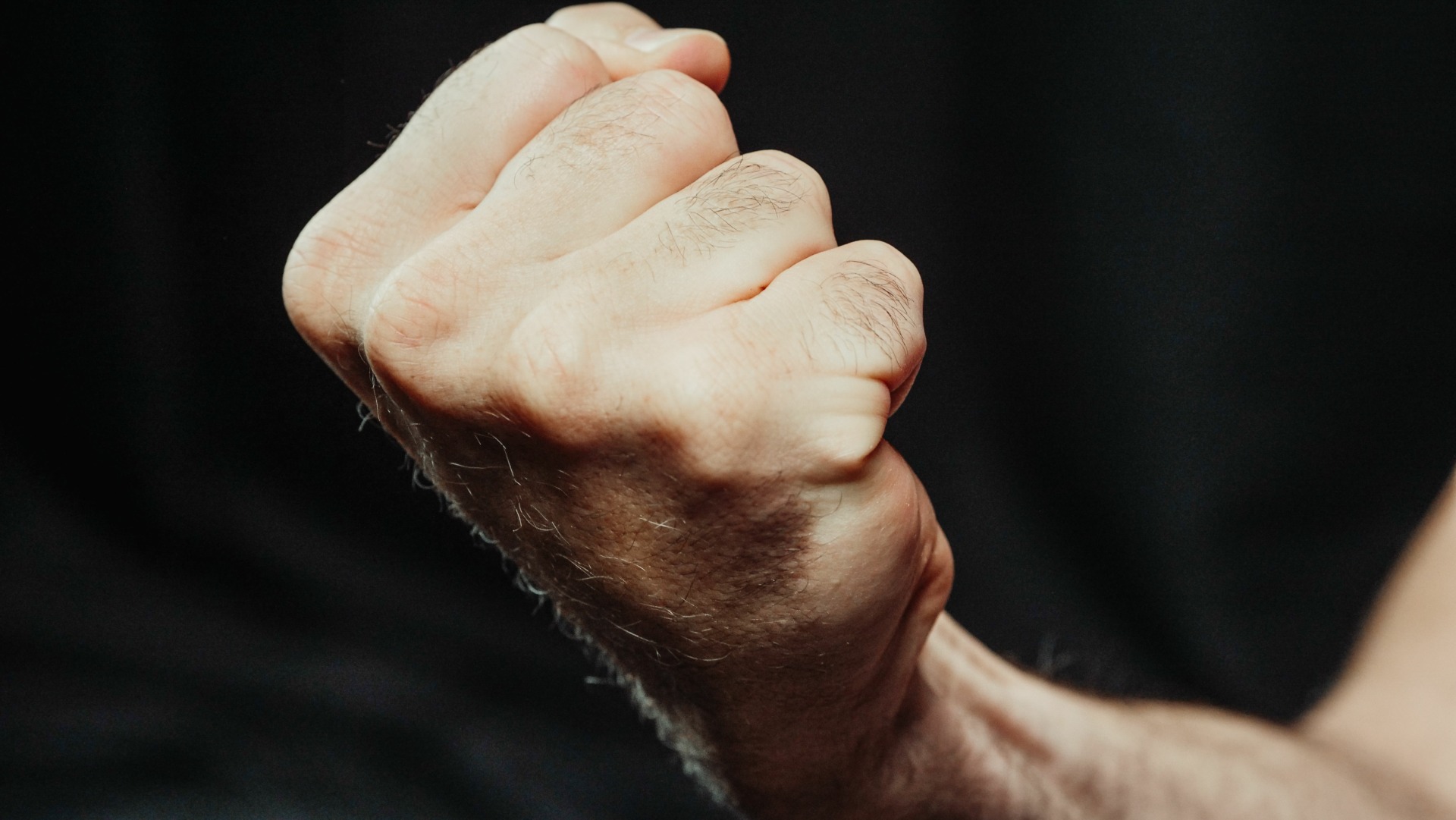
Photo by Kindel Media: https://www.pexels.com/photo/close-up-photo-of-a-person-clenching-his-fist-7298871/
Leave a Reply