

Here is something odd about your dinner. Some of the starch on your plate never gets digested at all. It travels straight through your small intestine untouched, arrives in your colon, and feeds the good bacteria living there. That clever stuff is called resistant starch, and most of us eat far too little of it.
I had never heard the term until recently. Now it has earned a permanent spot in my kitchen. Let me explain why this humble carbohydrate deserves your attention, especially once you pass 60.
🤔 What Exactly Is Resistant Starch?
Most starch breaks down fast. Your body turns it into glucose, and that glucose floods into your bloodstream. Resistant starch behaves differently. It resists digestion, hence the name, and reaches the colon largely intact.
Once there, it works like fibre. Your gut bacteria ferment it, and that fermentation produces short-chain fatty acids. These compounds are where the real magic happens, and I will come back to them shortly.
So think of resistant starch as a kind of hidden fibre. It hides inside ordinary foods you already eat, yet it does a very different job from the starch we usually worry about.
🦠 Why It Matters More After 60
Our gut changes as we age. The microbiome, that vast community of bacteria in the colon, tends to lose diversity over the years. Fewer good bugs means weaker digestion, more inflammation, and a less resilient body overall.
This is where resistant starch shines. Research on older adults shows it helps in several practical ways:
- It feeds the beneficial bacteria that decline with age
- It boosts short-chain fatty acids that calm inflammation
- It strengthens the gut barrier, your defence against nasties
- It supports steadier blood sugar after meals
That last point matters hugely. One trial gave adults over 70 a daily dose of resistant starch for twelve weeks. The researchers tracked their glucose and insulin closely throughout. Steady blood sugar protects against type 2 diabetes, and that risk climbs as we get older.
🥔 The Best Everyday Sources
Now for the practical bit. You do not need a supplement to get resistant starch, though they exist. Plenty of ordinary foods deliver it, and here are my favourites.
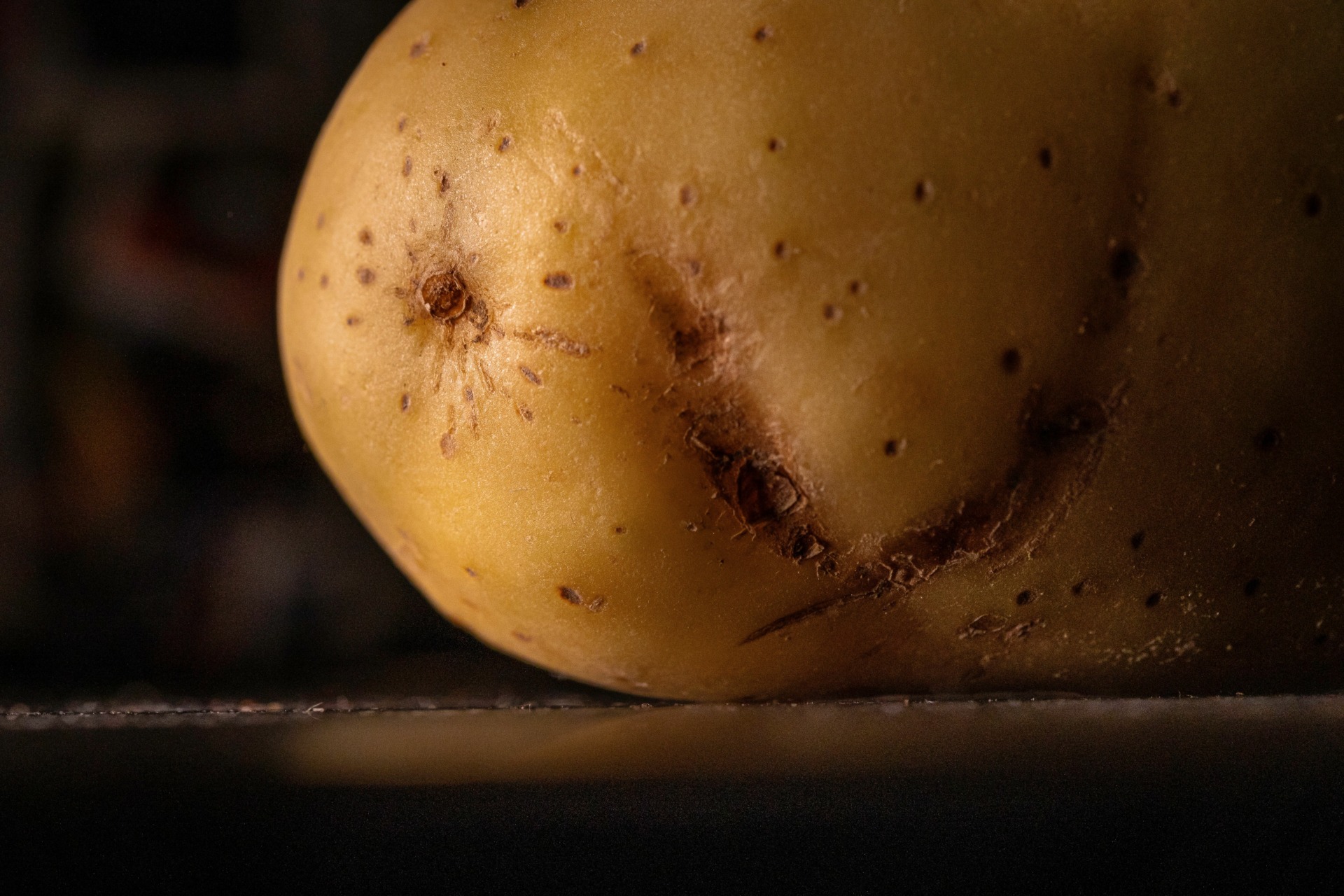
Cooked and cooled potatoes. This one surprised me. When you cook potatoes and then chill them, their starch transforms. A cold potato salad has far more resistant starch than a hot jacket potato. The same trick works for rice and pasta.
Beans, lentils and chickpeas. Pulses are the champions here. They pack resistant starch alongside protein and ordinary fibre, which makes them a brilliant all-rounder for older bodies. I now add a tin of chickpeas to soups without thinking.
Slightly green bananas. A banana with a hint of green holds plenty of resistant starch. As it ripens and sweetens, that starch turns to sugar. So if gut health is your goal, reach for the firmer ones.
Oats. A bowl of porridge brings resistant starch to your morning, plus all the other benefits oats are famous for. Overnight oats, made and chilled, give you even more.
Wholegrains. Barley, wholegrain bread and brown rice all contribute. Swapping white for wholegrain is an easy win that boosts your intake without any effort.
🍽️ How to Add It Without Fuss
You do not need to overhaul your diet. Small swaps do the job nicely. I started by cooking extra potatoes and rice, then chilling the leftovers for the next day.
A few gentle tips help you ease in:
- Add resistant starch gradually, since a sudden surge can cause wind
- Drink plenty of water as you increase your fibre
- Aim for variety rather than one single source
- Chill your cooked carbs overnight for the biggest boost
Go slowly and your gut will adjust happily. Rush it and you may feel a bit bloated for a few days. As with most things after 60, patience pays off.
⚠️ A Sensible Word of Caution
Resistant starch is food, not medicine, and that is rather the point. For most of us it is perfectly safe and genuinely helpful. Still, a little care never hurts.
If you have a diagnosed gut condition, such as IBS, check with your doctor first. Some people find certain fermentable foods tricky. And if you take medication for diabetes, mention any big dietary change to your GP, since steadier blood sugar is a welcome effect worth monitoring.
For most older adults, though, this is simply a smart, cheap addition to an already healthy plate. It pairs beautifully with the gut-friendly foods I have written about before, and it supports the same thriving gut microbiome we all want as we age. A balanced approach to healthy eating after 50 leaves room for good carbs like these, and a daily walk helps your digestion along too.
Small change, real reward. That is exactly my kind of health tip.
Have you tried cooling your potatoes or rice for a gut boost? Tell me in the comments how you work resistant starch into your meals. 👇
Photo by FramednFocussed WithLuv: https://www.pexels.com/photo/close-up-of-smiling-potato-with-natural-markings-28951972/