

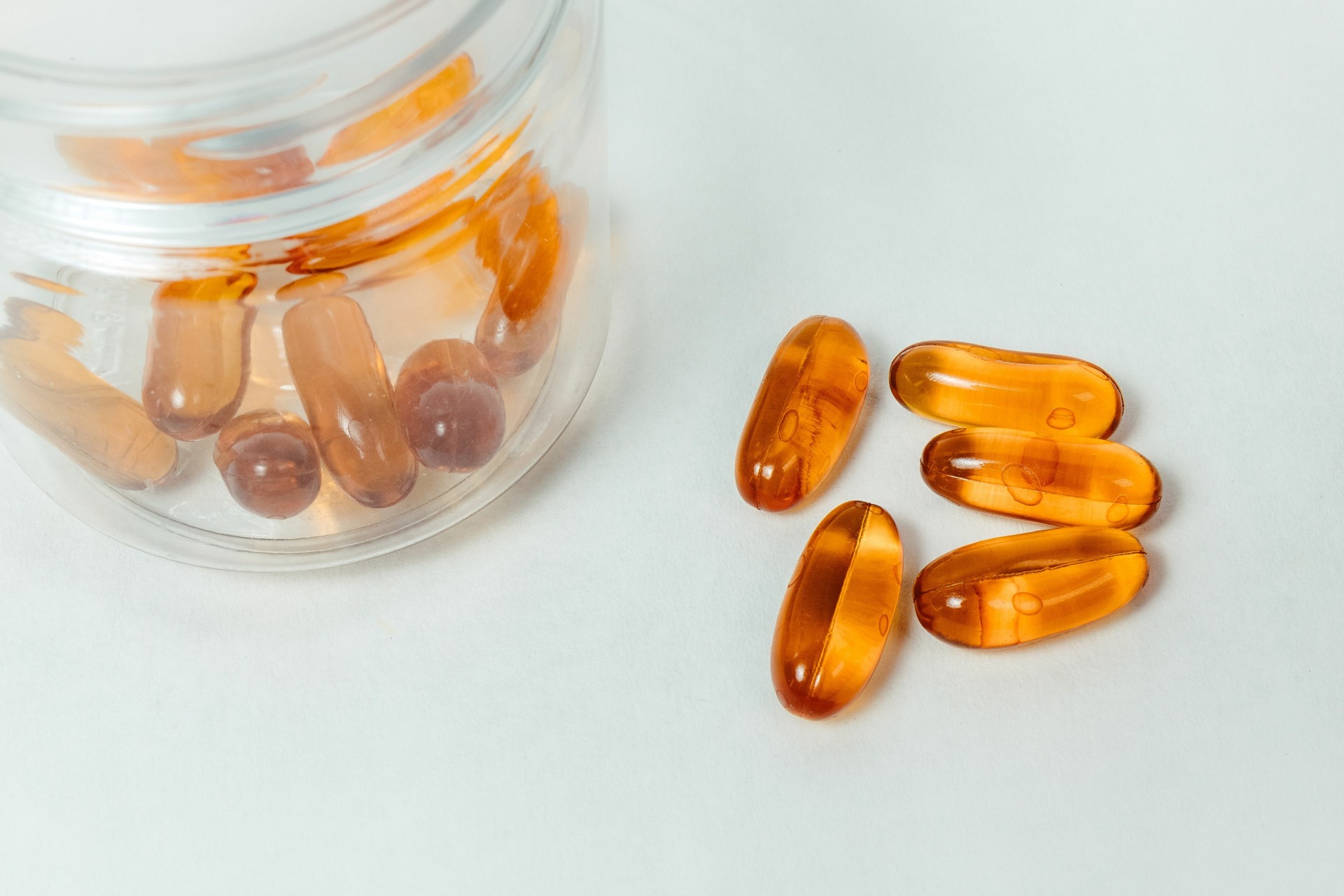
You can eat plenty of B12 and still run short of it. That sounds contradictory, yet it is exactly what happens to a great many of us as we age. The problem is rarely the food on the plate. The problem is that our bodies grow steadily worse at pulling the vitamin out of that food. Vitamin B12 after 60 becomes a question of absorption, not just intake, and that shift catches most people completely off guard.
It caught me off guard too. Let me explain what I wish someone had told me sooner.
🧪 Why Absorption Drops With Age
Your stomach needs acid to release B12 from food. As the years pass, many of us produce less of it. Less acid means less B12 gets freed up, and so less makes it into the bloodstream.
Two common culprits make this worse. Metformin, taken for diabetes, and proton-pump indigestion medicines both interfere with B12 levels over time. Plenty of older adults take one or the other, often for years, without ever making the connection. Wiley Online Library
There is a further wrinkle worth knowing. B12 deficiency is thought to affect somewhere between 10 and 15 percent of people over 60, yet the crystalline form found in supplements absorbs perfectly well even when stomach acid is low. So the fix is often simpler than the cause. PubMed
⚠️ The Signs Are Easy To Miss
Here is the tricky part. Low B12 rarely announces itself loudly. It creeps in slowly, and the symptoms look like a dozen other things we blame on getting older.
Common signs include:
- Tiredness that no amount of rest seems to shift
- Tingling or numbness in the hands or feet
- Balance problems and unsteadiness on your feet
- Memory lapses or a foggy, muddled feeling
- Low mood that arrives without an obvious cause
- Pale skin and breathlessness from anaemia
Any one of these is easy to wave away. Together, they matter. Left untreated, B12 deficiency can cause physical, neurological, and psychological symptoms, and some nerve damage becomes permanent if it drags on too long. Cleveland Clinic
🩸 The Simple Test To Ask For
If any of those signs sound familiar, do not guess. A quick blood test settles it, and your NHS GP can arrange one.
The first-line check is a serum B12 blood test. It is a straightforward blood draw, often done alongside a full blood count and a folate check at the same time. One appointment, one needle, and you have your answer.
Here is how to make the request land well:
- Lead with your symptoms. Mention the tiredness, tingling, foggy memory, or balance trouble rather than simply asking for a test. Your GP needs a reason to order it, and your symptoms are that reason.
- Flag your medicines. If you take metformin for diabetes or an acid-reducing tablet such as omeprazole, say so. Both lower B12 over time, so this often prompts a test.
- Ask what the result means. A borderline reading is common. If your level sits in the grey zone yet your symptoms persist, ask whether a follow-up test would help.
One honest caveat here. The NHS does not test B12 as a routine screen for everyone, so a clear reason helps your case. Go in prepared, and the conversation tends to go smoothly.
🍳 Where To Get It
B12 comes almost entirely from animal foods, which is why vegetarians and vegans need to plan carefully. If you eat a mixed diet, these are your richest sources:
- Meat, especially liver and red meat
- Oily fish such as salmon, mackerel, and sardines
- Eggs and dairy
- Fortified foods like some cereals and plant milks
Most adults need around 2.4 micrograms a day, which sounds tiny. The catch, as we have seen, lies in absorbing it reliably. So food is the foundation, though it is not always the whole answer after 60. Mobilitywithease
💊 Supplementing Sensibly
The good news is that B12 is cheap, safe, and easy to top up. Because it dissolves in water, your body simply passes any excess, so the risk of overdoing it stays very low.
A few practical pointers:
- Standard tablets suit most people and absorb well despite low stomach acid
- Sprays and dissolvable forms help if swallowing pills feels awkward
- If you take metformin or acid-reducing medicines, mention B12 to your GP
- A blood test settles any doubt, so ask for one if symptoms nag
If you already take other supplements, this slots in easily alongside them. My earlier pieces on magnesium after 60 and omega-3 after 60 cover two more that reward a little attention, and the broader supplements overview ties the whole picture together. Good cognitive health after 60 leans on B12 too, so it is worth getting right.
💚 My Own Takeaway
I started paying attention to B12 after a stretch of odd tiredness I could not explain. A quick chat with my GP and a simple test told me what I needed to know. Now a daily tablet sits on the shelf beside the kettle, and it takes no thought at all.
That is what I like about this one. Small effort, real reassurance, almost no downside.
Have you ever had your B12 levels checked, or is this the first you have thought about it? Drop a comment below – I would love to know whether it is on your radar.
Photo by Jonathan Borba: https://www.pexels.com/photo/container-of-capsule-pills-17820733/